
Hook-Hand in the Suburbs: Modern Urban Retelling
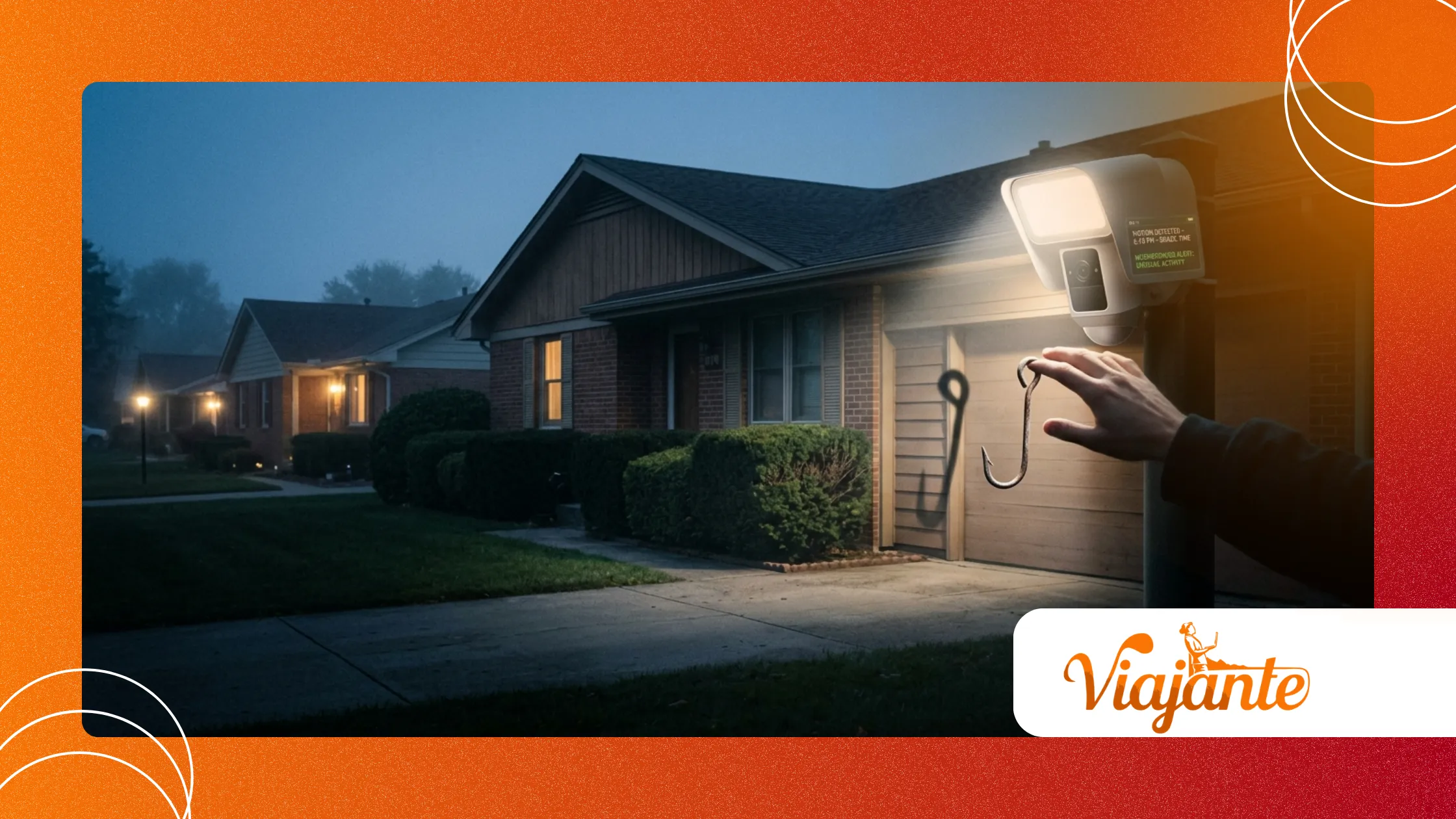
The digital age has a strange way of recycling our oldest fears. What once flickered in the glow of a campfire now pulses through high-definition doorbell cameras, transforming the classic.
Advertisements
Hook-Hand myth into a viral psychological phenomenon that says more about our current state of isolation than any real physical threat.
Navigating the nuances of Hook-Hand in the Suburbs requires us to look past the gore. For those of us building careers in the quiet pockets of residential zones, these stories act as a mirror, reflecting a growing unease about the blurring lines between our professional sanctuaries and the unpredictable outside world.
This exploration dissects the legend’s survival, the peculiar way it haunts modern home-based professionals, and how we can maintain a sharp mental focus without succumbing to the digital noise of neighborhood paranoia.
Article Summary: Hook-Hand in the Suburbs
- Myth Evolution: How the classic urban legend has shifted from campfire folklore to viral digital paranoia in 2026.
- The Remote Work Connection: Analyzing why suburban isolation and home-based professional life amplify our sensitivity to “stranger danger.”
- The Surveillance Paradox: Exploring how high-tech doorbell cameras and neighborhood apps often feed psychological anxiety rather than reducing it.
- Data-Driven Reality: A comparative look at actual suburban crime statistics versus the exaggerated narratives found on social media.
- Safety & Productivity: Practical advice for freelancers on securing their physical workspace while maintaining the mental clarity needed for deep work.
- Psychological Roots: Understanding the “Hook-Hand” as a modern metaphor for the fear of intrusion into our private and professional sanctuaries.
What is the Hook-Hand Legend in Contemporary Society?
Originally, the hook-handed killer was a cautionary ghost story for teenagers in parked cars.
Today, that hook has been traded for the metadata of a “suspicious” person flagged on a community app, keeping the same core anxiety alive under the guise of modern neighborhood watch protocols.
In 2026, the Hook-Hand in the Suburbs narrative isn’t just a story; it’s a shared digital experience fueled by real-time alerts and the eerie, desaturated footage of midnight visitors that pop up on our smartphones.
Psychologically, this archetype persists because it taps into a primal fear of intrusion.
For the freelancer working late into the night, the legend isn’t about a literal hook—it’s about the fragility of the walls we think protect our private and professional lives.
Why Does the Suburbs Setting Amplify Folklore Anxiety?
There is something inherently unsettling about the silence of a manicured street.
We’ve built these environments to be safe, yet that very perfection makes the idea of a predator—an “unauthorized” presence on the lawn—feel significantly more jarring and personal.
For the remote professional, a quiet afternoon can suddenly feel heavy.
Every mechanical hum or the distant scrape of a neighbor’s gate can momentarily sound like that legendary steel hook dragging against a car door, pulling the mind away from deep work and into a state of hyper-vigilance.
Algorithms don’t help. By prioritizing local crime reports and “strange encounter” threads, social media ensures the Hook-Hand in the Suburbs concept stays lodged in our subconscious, turning a peaceful cul-de-sac into a stage for potential horror.
How Has Technology Altered Our Perception of Urban Legends?
Our current obsession with total surveillance has created a weird paradox. We have more “eyes” on our property than ever before, yet the grainy, wide-angle distortion of night-vision cameras actually feeds the imagination, making mundane delivery drivers look like figures from a dark folk tale.
This gap between data and dread is where the modern legend breathes.
The physical hook is an antique, but the psychological hook—the feeling of being watched while we sit at our desks—is a very real stressor for the modern isolated worker.
Which Psychological Factors Drive the Modern Retelling?
The “Hook-Hand” is essentially a physical vessel for our fear of the “other.” It represents an outsider who threatens the socioeconomic stability and physical peace that suburban dwellers spend their entire lives trying to curate and defend.
Isolation acts as a potent catalyst here. As more of us move into permanent remote roles, the dwindling of daily, face-to-face social interactions can make us hyper-sensitive to external threats, turning a missed knock at the door into a significant event.
Revisiting Hook-Hand in the Suburbs through a 2026 lens reveals a desperate, if slightly misguided, search for community vigilance.
We want to believe we are looking out for each other, even if the “threat” we are watching for is mostly a ghost of our own making.
++ Killer Cheerleader: High School Legend or Misogyny?
Real-World Suburban Safety and Crime Statistics (2025-2026)
To stay grounded, we have to look at the numbers. The following table contrasts the rise of security technology with the actual shifting landscape of residential concerns in the mid-2020s.
++ The Midnight Bus to Nowhere: Urban Transit Myth
| Category | 2025 Statistic | 2026 Projection | Impact on Sentiment |
| Smart Camera Adoption | 68% of households | 74% of households | High “Digital Vigilantism” |
| Package Theft Reports | +12% YoY | +8% YoY | Sustains “Stranger Danger” |
| Neighborhood App Usage | 45M Active Users | 52M Active Users | Rapid Folklore Distribution |
| Home Office Security Spend | $1.2B | $1.5B | Anxiety-Driven Investment |
What Are the Best Practices for Remote Worker Safety?

Protecting your workspace isn’t just about deadbolts; it’s about managing your environment to reduce both real risks and the psychological weight of urban legends like the Hook-Hand in the Suburbs.
Try to position your desk so you have a clear view of your entry points without making your expensive equipment obvious to passersby.
This creates a sense of “natural surveillance” that empowers you rather than leaving you feeling exposed.
More importantly, fight the isolation. Regularly engaging with a digital co-working community or a local professional group acts as a reality check, preventing the silence of a suburban home from turning into a breeding ground for irrational fears.
++ Elevator Button Hauntings: Elevator Myth Explored
When Should You Ignore the Local Folklore Hype?
It is essential to develop a filter for the “creepy” stories that flood community forums.
Most of these posts serve to generate engagement through fear rather than providing actionable information that could actually keep you safe.
Urban legends survive on a lack of detail. If a story floating around your neighborhood lacks a specific police report number, a verified date, or a clear location, it’s probably just the latest iteration of a myth designed to trigger a cortisol spike.
Investing your energy in evidence-based security—like updated locks and secure Wi-Fi—allows you to reclaim your mental bandwidth.
It ensures that Hook-Hand in the Suburbs remains a curious piece of Americana rather than a distraction from your professional goals.
The staying power of the Hook-Hand legend is a testament to its flexibility.
It has successfully migrated from the dark woods to the center of our high-tech, suburban lives, proving that no matter how much we automate our safety, the shadows still have a way of getting in.
Recognizing the triggers behind these modern retellings allows us to navigate the stresses of remote work with more clarity.
When we ground our fears in data and our lives in community, the legends lose their power to disrupt our peace.
Staying tethered to credible information, such as resources from the National Crime Prevention Council, ensures your approach to safety is logical and effective, leaving the hooks and shadows where they belong: in the stories we tell to pass the time.
FAQ: Understanding Modern Suburban Myths
Is the Hook-Hand story based on a real person?
Folklore scholars view it as a “moral panic” narrative. While some crimes have shared superficial details, the “Hook-Hand” itself is a symbolic figure used to enforce social boundaries and caution.
Do neighborhood apps make us safer or more paranoid?
They are a double-edged sword. While useful for legitimate emergencies, they often act as a megaphone for minor oddities, turning a simple solicitor into a legendary suburban threat within hours.
How can I stop urban legends from affecting my productivity?
Limit the time you spend on unverified community boards. If you feel a genuine safety concern, check the official local police blotter rather than relying on the speculative comments of neighbors.
Why is this legend still popular in 2026?
The theme of a vulnerable person in a “safe” space is a universal human preoccupation.
As our homes become our offices and our entire economic world, the fear of that space being breached remains incredibly potent.
\