Voodoo Ritual Conspiracies: Cultural Insight or Fear-Mongering?
This article explores the psychological impact of these narratives, the truth behind West African traditions, and how misinformation affects professional communities in the current 2026 digital landscape.
Advertisements
Below, we analyze the cultural roots of these theories, provide a factual comparison of practices, and offer strategies for critical thinking when encountering sensationalized claims in online spaces.
Table of Contents
- What are the origins of Voodoo Ritual Conspiracies in the digital age?
- How does misinformation impact remote workers and digital professionals?
- Why do ritualistic myths thrive in online professional forums?
- Which cultural facts debunk common ritualistic myths?
- Data Table: Myths vs. Historical and Scientific Reality
- What are the risks of engaging with conspiracy content for your brand?
- Conclusion
- FAQ: Understanding the Reality of Ritual Misinformation
What are the origins of Voodoo Ritual Conspiracies in the digital age?
The emergence of misinformation surrounding Vodun—often misspelled as “Voodoo”—usually stems from 18th-century colonial propaganda designed to demonize traditional West African religions during the era of the Atlantic trade.
Historical records from the Smithsonian Institution demonstrate how these spiritual practices were intentionally misrepresented as “dark magic” to justify systemic oppression and fear-based social control over displaced populations.
Modern digital algorithms often amplify these old tropes, pushing sensationalized content to freelancers and remote workers who frequent fringe forums while researching productivity or alternative lifestyle topics online.
Sensationalism sells, and in 2026, the monetization of fear through automated content farms has given a second life to these ancient, unfounded rumors about secret spiritual elite gatherings.
Understanding the difference between the Haitian Vodou religion and the Hollywood-inspired myths is essential for any digital professional who values cultural intelligence and factual accuracy in their work.
How does misinformation impact remote workers and digital professionals?
Digital professionals often spend significant time in decentralized communities where unverified information spreads rapidly, potentially affecting their mental health, focus, and overall capacity for rational decision-making.
When a freelancer encounters Voodoo Ritual Conspiracies, the resulting cognitive dissonance can lead to increased anxiety, making it harder to maintain the high levels of productivity required for remote success.
Exposure to “dark web” myths often distracts from career development, pulling creative minds away from skill-building and into unproductive rabbit holes that offer zero value to their professional portfolios.
Psychologists have noted that remote workers are particularly vulnerable to “conspiracy fatigue,” where the constant influx of sensationalized claims erodes the ability to distinguish between credible news and fiction.
Cultivating a rigorous approach to fact-checking is not just a scholarly pursuit; it is a vital professional skill that ensures your mental workspace remains clear of manipulative digital noise.
Why do ritualistic myths thrive in online professional forums?
The nature of remote work can sometimes lead to social isolation, which naturally heightens a person's susceptibility to finding patterns or “hidden truths” within complex, unexplained global events.
Online forums often lack the editorial oversight found in traditional media, allowing users to present speculative theories about rituals as if they were established facts supported by empirical evidence.
Many professionals are drawn to these topics because they provide a sense of “insider knowledge,” a psychological reward that feels valuable in a competitive, fast-paced global digital economy.
However, the reality of Voodoo Ritual Conspiracies is that they are almost always constructed from recycled urban legends, lacking any verifiable witnesses, physical evidence, or credible academic backing.
By recognizing the psychological triggers that make these stories appealing, you can better protect your professional integrity and avoid sharing content that undermines your reputation as a reliable expert.
++ Synthetic Food Crises: Engineered Scarcity or Hype?
Which cultural facts debunk common ritualistic myths?
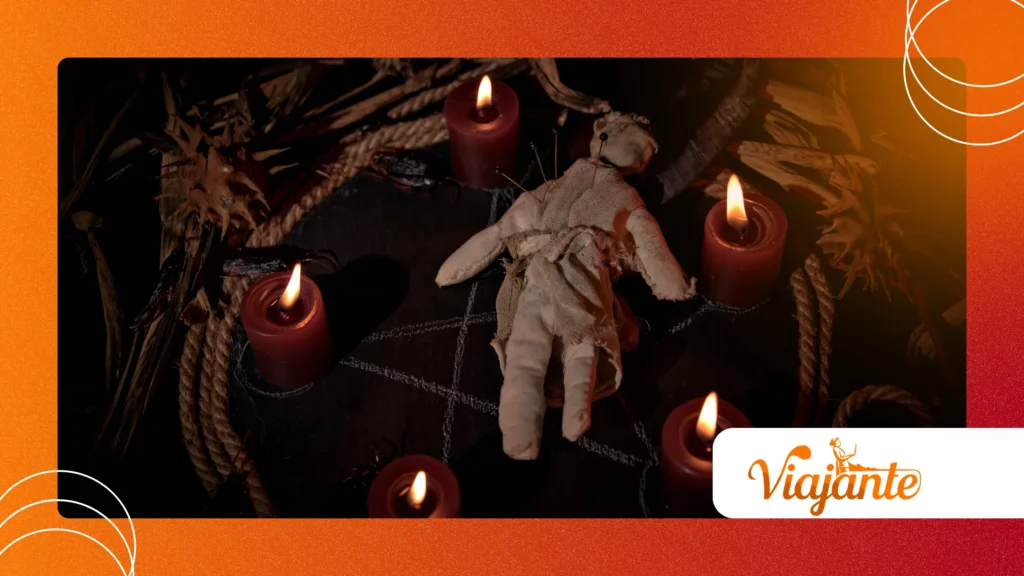
Authentic Vodou is a community-focused religion centered on ancestral healing and the veneration of spirits known as Lwa, rather than the malevolent “doll-stabbing” rituals popularized by 20th-century cinema.
The “voodoo doll” itself is largely a European creation, derived from “poppets” used in British folk magic, which was later falsely attributed to African traditions to create a foreign threat.
In 2026, data-driven anthropology confirms that most “ritual sites” found by urban explorers are either artistic installations or remnants of non-harmful, traditional offerings left by local practitioners.
Differentiating between harmful folklore and legitimate spiritual practice is the hallmark of a sophisticated digital citizen who respects diversity while rejecting the lure of baseless, fear-driven conspiracy narratives.
++ Human Cloning Cover-Ups: Sci-Fi Come to Life?
Comparison: Myths vs. Reality in Vodun Traditions
| Common Myth | Historical & Scientific Reality | Source/Context |
| Ritual Human Sacrifice | No evidence exists; ceremonies focus on animal offerings and communal meals. | Harvard Divinity School |
| Voodoo Dolls for Harm | European origin (poppets); not a part of traditional West African Vodun. | Museum of Oxford |
| Secret Global Elite Cults | Modern internet manufacturing; Vodun is a decentralized, grassroots religion. | Digital Forensic Research Lab |
| Zombies as Slaves | Sociological phenomenon involving neurotoxins (Tetrodotoxin), not supernatural magic. | Wade Davis Research |
What are the risks of engaging with Voodoo Ritual Conspiracies For your brand?
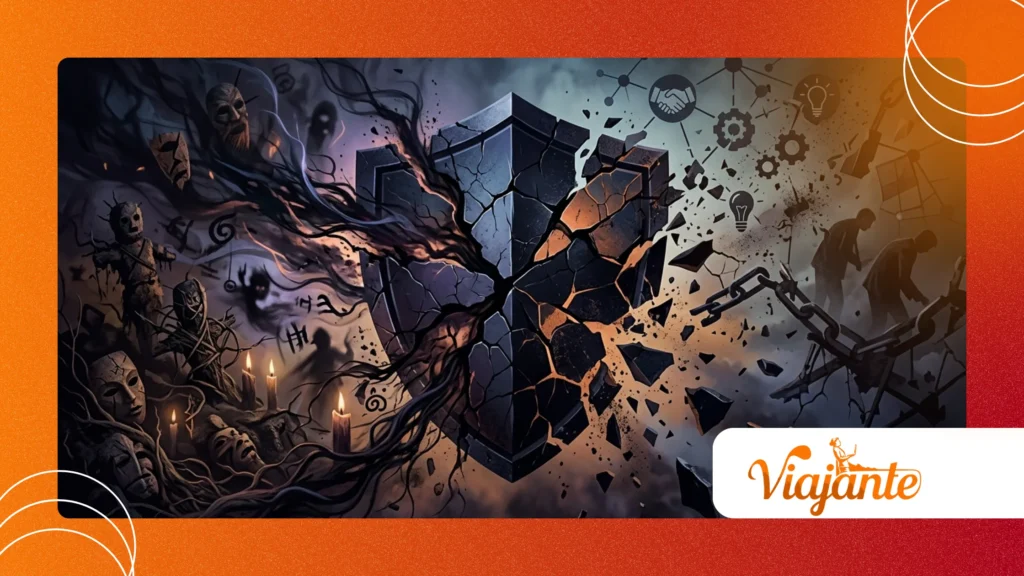
In the current professional landscape, your digital footprint is your most valuable asset, and associating with unverified conspiracy content can significantly damage your credibility with high-value international clients.
Freelancers who share or validate sensationalized ritual theories often find themselves excluded from professional networks that prioritize logic, evidence-based reasoning, and a high level of cultural sensitivity.
Building a sustainable career requires an environment of trust, which is fundamentally incompatible with the spread of misinformation or the promotion of racially insensitive myths disguised as “hidden truths.”
Furthermore, search engine algorithms in 2026 are increasingly adept at penalizing content that promotes harmful misinformation, potentially lowering the visibility of your personal blog or professional website.
Focusing on authentic skill development and evidence-based research will always yield better long-term results than chasing the fleeting, often toxic, engagement generated by ritualistic conspiracy theories.
++ Does the Illuminati Control Music Charts
Conclusion
The persistence of Voodoo Ritual Conspiracies serves as a stark reminder of the ongoing battle between sensationalism and factual truth in our hyper-connected, digital-first professional world.
As remote workers and creators, our responsibility is to filter out the noise, ensuring that our intellectual energy is spent on growth rather than the consumption of baseless folklore.
By grounding our understanding in historical context and scientific reality, we not only protect our own mental well-being but also contribute to a more rational and respectful digital community.
Always prioritize primary sources and peer-reviewed data when exploring complex cultural topics, as this is the only way to build a professional reputation that withstands the test of time.
FAQ: Understanding the Reality of Ritual Misinformation
Are “Voodoo” rituals dangerous to the public?
No, legitimate spiritual practices are community-oriented and legal. The idea of public danger is a trope largely fueled by horror movies and unverified internet threads rather than real-world events.
Why do people keep talking about these conspiracies?
These stories persist because they tap into deep-seated human fears of the unknown and are highly profitable for websites that rely on “click-driven” advertising and sensationalized headlines.
Is there any scientific basis for “Zombification”?
While the term is used in conspiracies, researchers like Wade Davis found that certain Haitian practices used a powder containing tetrodotoxin to induce a death-like state, a biological process.
How can I verify if a ritual story is a conspiracy?
Check for the “Three Pillars of Veracity”: Is there a named, credible witness? Is there physical evidence? Does the story appear on the Associated Press News or other reputable outlets?
Can discussing these theories affect my AdSense revenue?
Yes, Google's policies regarding “Reliability and Harmful Content” are strict. Promoting baseless conspiracies that target specific religions or ethnic groups can lead to demonetization or account suspension.
\