
Air Quality Trackers in Home: Do They Lower Asthma Risk?
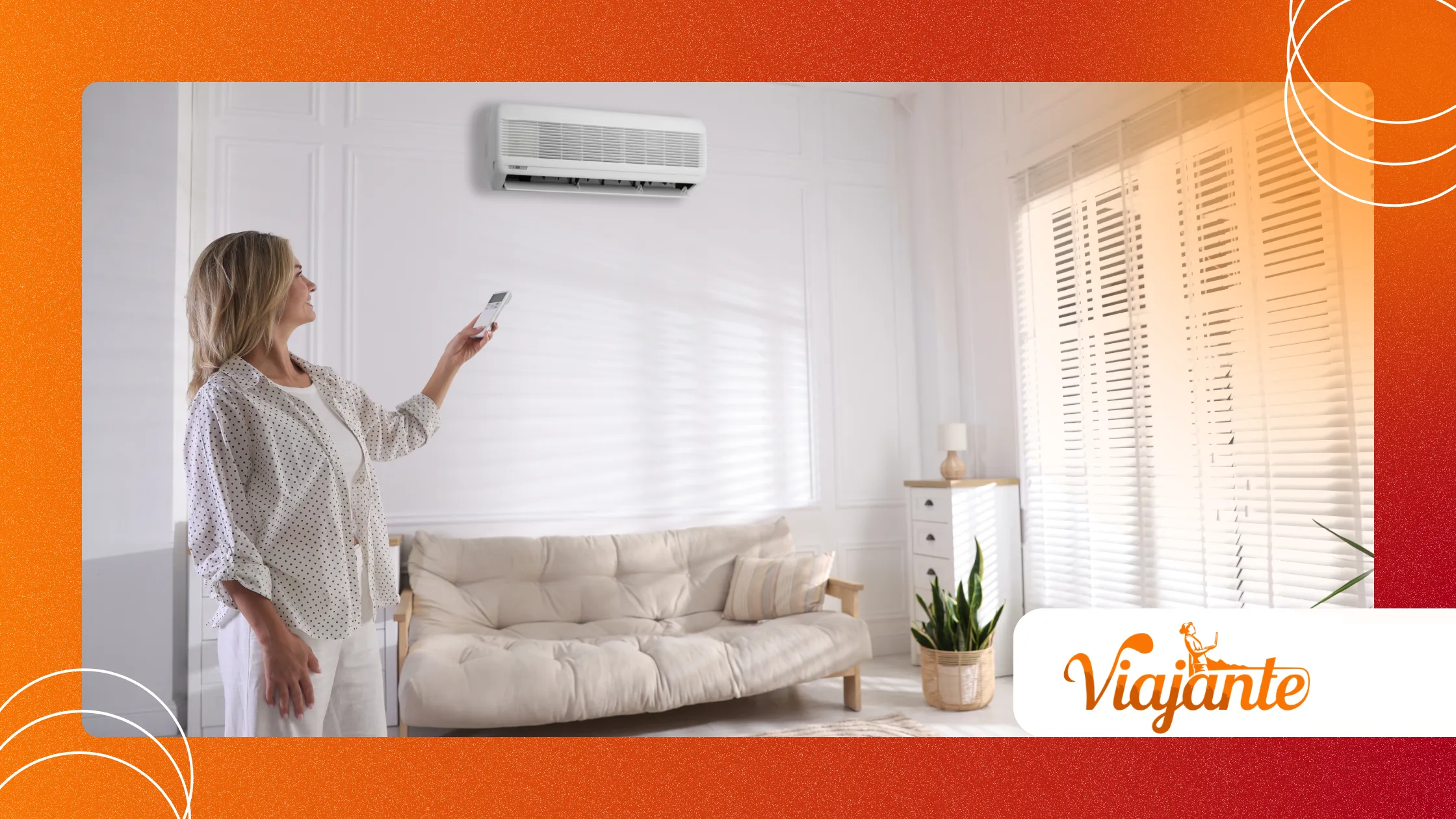
For remote workers spending hours in a home office, breathing clean air is not just a luxury but a fundamental necessity for maintaining long-term respiratory health and focus.
Advertisements
Understanding how an Air Quality Trackers in Home functions can empower professionals to mitigate environmental triggers that often exacerbate asthma symptoms or cause persistent, counterproductive headaches during work hours.
This guide explores the direct link between real-time monitoring and asthma prevention, offering a clear roadmap to optimize your indoor environment for peak performance and physical well-being.
Summary
- The connection between indoor pollutants and asthma triggers.
- How real-time data drives proactive health management.
- Technical specifications of modern laser-based air sensors.
- Practical integration for a healthier remote work setup.
What is the Impact of Indoor Air Quality on Asthma?
Indoor environments often harbor higher concentrations of pollutants than the outdoors, primarily due to poor ventilation and common household activities like cooking or cleaning with harsh chemicals.
For those with sensitive airways, microscopic particles like PM2.5 can penetrate deep into the lungs, triggering inflammatory responses that lead to wheezing, coughing, or severe asthma attacks.
Using an Air Quality Trackers in Home allows you to identify these invisible threats immediately, transforming a reactive health struggle into a proactive strategy for maintaining respiratory comfort.
Effective management requires identifying volatile organic compounds (VOCs) that evaporate from office furniture or printers, which are known to irritate the lining of the respiratory tract quite significantly.
+ Digital Pills: Tracking Compliance or Invading Privacy?
How Does an Air Quality Monitor Help Prevent Attacks?
The primary benefit of monitoring is the elimination of guesswork by providing empirical data on humidity levels, temperature, and specific pollutant spikes throughout your busy working day.
When your device alerts you to rising carbon dioxide levels, it serves as a vital prompt to open a window, effectively diluting the triggers that cause asthma flares.
Consistent use of an Air Quality Trackers in Home fosters better habits, such as timing your vacuuming or air purifying cycles to match periods when the outdoor air is cleanest.
By maintaining stable humidity between 30% and 50%, you actively discourage the growth of mold and dust mites, two of the most aggressive triggers for chronic asthmatic conditions.
+ Micro-Workouts: Fitness Trend for Busy Adults
Why Should Remote Workers Prioritize Air Monitoring?
Digital professionals often remain stationary for extended periods, making them more susceptible to the cumulative effects of stagnant air and accumulated indoor dust within their dedicated workspace.
High CO2 levels not only threaten respiratory health but also impair cognitive function, reducing the productivity and decision-making clarity required for high-level freelance projects or complex remote tasks.
Investing in an Air Quality Trackers in Home ensures that your “office” remains a safe sanctuary, preventing the physical burnout associated with poor environmental conditions and recurring illness.
According to the Environmental Protection Agency (EPA), improving indoor air is a primary step in reducing the national burden of respiratory diseases among those working from home.
Which Pollutants Do These Devices Track?
Modern sensors focus on a specific spectrum of irritants, ranging from physical particulates to chemical gases that are often odorless yet highly disruptive to a healthy breathing pattern.
| Pollutant Type | Common Source | Impact on Asthma |
| PM2.5 | Smoke, Cooking, Candles | Deep lung irritation and inflammation |
| VOCs | Paints, Printers, Cleaners | Immediate airway constriction and itching |
| CO2 | Human Respiration | Drowsiness and increased breathing rate |
| Humidity | Leaks, Bathroom, Cooking | Mold growth and dust mite proliferation |
What are the Best Features to Look for in a Tracker?

Look for devices utilizing NDIR (Non-Dispersive Infrared) technology for CO2 sensing and laser-based scattering for particulate matter to ensure the highest level of accuracy for medical-grade monitoring.
Connectivity is crucial, so choose a model that offers smartphone integration, providing historical trends that help you correlate specific activities with sudden drops in your home's air quality.
An effective Air Quality Trackers in Home should also include a visual indicator, like a color-coded LED, for instant feedback during meetings when you cannot check an app.
Reliable sensors must be calibrated frequently or feature self-calibration logic to prevent “sensor drift,” which can lead to false readings and a false sense of security regarding your air.
When Will You See Results in Your Health?
While some benefits like reduced headaches appear almost instantly, the long-term reduction in asthma medication dependence usually becomes evident after several weeks of consistent environmental optimization and tracking.
By strictly following the data provided by your Air Quality Trackers in Home, you create a controlled environment where the frequency of emergency inhaler use typically begins to decline.
Sustainable health for freelancers relies on these incremental improvements, ensuring that your physical environment supports your career longevity rather than silently undermining your energy and respiratory capacity.
+ Functional Neurology: Trend or Tiny Evidence?
Conclusion
Mastering your indoor climate is a strategic move for any professional seeking to balance a high-output career with robust physical health.
While a tracker itself does not “clean” the air, the actionable intelligence it provides is the missing link in a comprehensive asthma management plan.
By integrating these smart tools, you transition from being a victim of your environment to being its architect, ensuring every breath supports your focus and your future.
For more detailed technical standards on indoor environments, you can consult the ASHRAE (American Society of Heating, Refrigerating and Air-Conditioning Engineers) website for professional ventilation guidelines.
FAQ (Frequently Asked Questions)
1. Can an air quality tracker replace my air purifier?
No, a tracker identifies problems while a purifier solves them. They work best as a team to ensure your air remains consistently safe for your specific respiratory needs.
2. Where is the best place to put the monitor?
Place it at breathing height in the room where you spend the most time, ideally away from direct drafts like windows or fans to get accurate readings.
3. Do these devices detect mold specifically?
Most trackers detect the high humidity and VOCs that mold produces, rather than the spores themselves, acting as an early warning system for potential fungal growth in corners.
4. Are low-cost sensors actually reliable for asthma?
Budget sensors provide general trends, but for asthma management, it is better to invest in mid-range devices that offer higher precision for PM2.5 and chemical detection.
Would you like me to create a personalized checklist for optimizing your home office air quality based on these findings?
\