
Die Physik hinter dem „stillsten Ort der Erde“
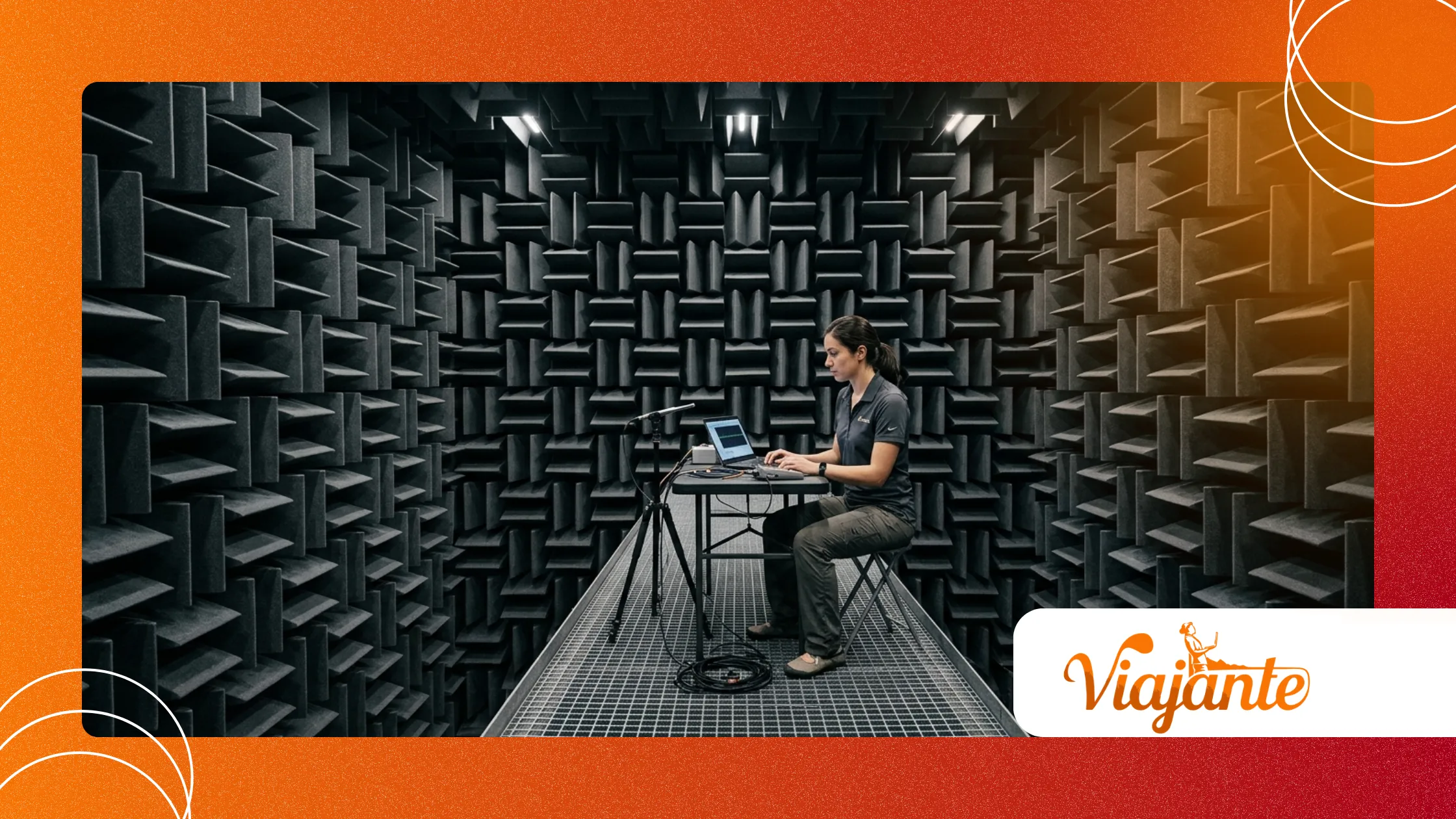
Der Der ruhigste Ort der Welt Es ist nicht nur ein Ort der Neugier, sondern ein Wunderwerk moderner Physik und Akustik. Tief im Inneren des Microsoft-Gebäudes 87 in Redmond, Washington, gelegen, hält diese reflexionsarme Kammer den Guinness-Weltrekord für Stille.
Anzeigen
Die Ingenieure haben diesen Raum so leise gestaltet, dass der Hintergrundgeräuschpegel tatsächlich die theoretischen Grenzen der Physik selbst erreicht.
Um diese Umgebung zu verstehen, müssen wir unsere Definition von „Stille“ in einer Welt voller ständiger Umgebungsgeräusche überdenken.
Während ein typisches ruhiges Schlafzimmer nachts etwa 30 Dezibel (dB) aufweist, erreicht dieses Speziallabor erstaunliche -20,6 dBA.
Dieser negative Wert bedeutet, dass der Schalldruckpegel deutlich unterhalb der menschlichen Hörschwelle liegt, die typischerweise bei null liegt.
Dieses wissenschaftliche Refugium erfüllt einen praktischen Zweck, der weit über das Brechen von Weltrekorden oder das Ausloten der Grenzen der menschlichen Belastbarkeit hinausgeht.
Microsoft nutzt diese Kammer, um hochempfindliche Mikrofone zu kalibrieren, digitale Assistenten zu verfeinern und die kleinsten Vibrationen elektronischer Bauteile zu untersuchen.
Es ist ein Ort, an dem die Gesetze der Thermodynamik und der akustischen Reflexion für Innovationen bis an ihre absoluten Grenzen ausgereizt werden.
Dieser Artikel untersucht die Der ruhigste Ort der Welt—Microsofts rekordverdächtige reflexionsarme Kammer—in der der Schallpegel auf ein atemberaubendes Niveau sinkt -20,6 dBA.
Wichtigste Punkte:
- Maschinenbau: Der Raum ist durch Dämpfungsfedern physisch von der Außenwelt entkoppelt und mit Fiberglaskeilen ausgekleidet, die die Schallenergie „verschlucken“.
- Menschliche Erfahrung: In dieser Leere können Besucher ihren eigenen Herzschlag und Blutfluss hören, was aufgrund des sensorischen Entzugs oft zu Desorientierung oder Halluzinationen führt.
- Zweck: Die Kammer ist weit mehr als nur eine Kuriosität; sie ist ein unverzichtbares Labor zur Perfektionierung der Akustik von Hardware, medizinischen Geräten und Automobilkomponenten.
- Physik: Die Anlage erreicht nahezu die Grenze der Stille auf der Erde, die nur durch die mikroskopische Vibration der Luftmoleküle selbst begrenzt wird.
Wie wird der ruhigste Ort der Welt gebaut?
Die Erstellung der Der ruhigste Ort der Welt Um Lärm von außen abzuschirmen, braucht es mehr als nur dicke Wände und eine starke Isolierung.
Die Kammer ist als „Raum im Raum“ konzipiert und physisch vom Rest des Fundaments des Gebäudes isoliert.
Es ruht auf einer Reihe spezieller Dämpfungsfedern, die verhindern, dass seismische Erschütterungen aus der umliegenden Stadt in den Raum eindringen.
Im Inneren des Raumes sind Wände, Decke und sogar der Boden mit massiven Fiberglaskeilen bedeckt, die in einem bestimmten Muster angeordnet sind.
Diese Keile sind so konstruiert, dass sie Schallwellen einfangen und sie tief in das Material zurückwerfen, wo ihre Energie in Wärme umgewandelt wird.
Diese Konstruktion eliminiert Echos vollständig und schafft so eine sogenannte „Freifeld“-Umgebung, in der Schallwellen niemals zu ihrer Quelle zurückkehren.
Die bauliche Integrität dieses Labors ist so hochentwickelt, dass es das Brummen des Stromnetzes herausfiltert. Selbst die in die Kammer einströmende Luft wird durch ein System ausgekleideter Kanäle und Niedriggeschwindigkeitslüftungen sorgfältig gedämpft.
Ohne diese Schutzebenen wären die für die moderne Hardwareentwicklung erforderlichen präzisen Messungen unmöglich durchzuführen.
++ Was macht einen Regenbogen kreisförmig?
| Besonderheit | Microsoft Gebäude 87 (Rekordhalter) | Typisches ruhiges Schlafzimmer |
|---|---|---|
| Geräuschpegel | -20,6 dBA | 30 dBA |
| Akustikdesign | Vollständig schalltot (Keilförmig ausgekleidet) | Reflektierend (Harte Oberflächen) |
| Stiftung | Schwimmende Federisolierung | Starrer Beton/Holz |
| Wandmaterial | Stahl, Beton, Fiberglas | Trockenbauwände, Ständerwerk, Dämmung |
| Primäre Verwendung | Hardware- und Audioentwicklung | Wohnen |
Welche physikalischen Prinzipien ermöglichen dieses Maß an Stille?
Die Physik, die die Der ruhigste Ort der Welt Setzt eher auf aggressive Absorption als auf einfache Blockade.
Normale Wände reflektieren den Schall zurück in den Raum und erzeugen so einen subtilen „Raumklang“, den unser Gehirn zur Orientierung nutzt.
Die reflexionsarme Geometrie kehrt dies um und sorgt dafür, dass jede Welle in eine poröse Falle umgeleitet wird, die nichts für das Ohr übrig lässt, was es auffangen könnte.
Wenn Schallwellen die abgeschrägten Kanten des Glasfasergewebes durchlaufen, verlieren sie durch wiederholte Reibung Energie. Diese Effizienz wird durch den Geräuschabsorptionsgrad (NRC) gemessen, wobei ein Wert von 1,0 für vollständige Geräuschunterdrückung steht.
Die Materialien in dieser Kammer erreichen diesen Höhepunkt und erzeugen ein Rückkopplungsvakuum, das sich für diejenigen, die es nicht gewohnt sind, schwer auf den Trommelfellen anfühlt.
Der von Microsoft erreichte Wert von -20,6 dBA bedeutet, dass wir uns knapp über der physikalischen Schwingungsfrequenz der Luft selbst befinden. Es ist das Vakuum, das wir erreichen können, ohne die Luft zum Atmen zu beeinträchtigen.
++ Warum haben Zebras Streifen? Hypothesen entschlüsselt
Warum versagt die menschliche Wahrnehmung in absoluter Stille?

Betreten des Der ruhigste Ort der Welt Es handelt sich um eine desorientierende psychologische Belastung, die die meisten Menschen als zutiefst beunruhigend empfinden. Unser Gehirn ist so entwickelt, dass es Echos und Hintergrundgeräusche wie ein Sonar nutzt, um den physischen Raum zu kartieren.
Wenn diese Orientierungshilfen wegfallen, verschiebt sich das innere Gleichgewicht, was oft zu einem plötzlichen Gleichgewichtsverlust oder einem Gefühl erdrückenden Drucks führt.
In dieser Leere wird Ihr Körper zum lautesten Geräusch im Raum. Besucher berichten oft von einer beunruhigenden Klarheit ihrer eigenen inneren Vorgänge – dem Pochen des Herzens, dem Gleiten der Gelenke und dem hohen Zischen des Nervensystems.
Da das Gehirn nach äußeren Reizen hungert, beginnt es, seine eigenen Sensoren zu verstärken und die Lautstärke biologischer Geräusche zu erhöhen, die normalerweise überdeckt werden.
Nur wenige Menschen können es länger als 45 Minuten in der Kammer aushalten, bevor der Mangel an Sinnesreizen zu Unbehagen führt.
Manche erleben akustische Halluzinationen, da der Geist versucht, die beängstigende Leere mit Phantomsignalen zu füllen.
Wo befinden sich diese stillen Kammern weltweit?
Während Microsoft derzeit den Titel hält, Der ruhigste Ort der Welt war einst in den Orfield Laboratories in Minneapolis beheimatet.
Diese Anlagen sind selten und befinden sich meist in Luft- und Raumfahrtzentren oder an renommierten technischen Universitäten. Sie dienen als unverzichtbare Testumgebungen für die spezifischen Frequenzen, die in der globalen Telekommunikation und der Weltraumforschung eingesetzt werden.
Orfield Labs bleibt der kulturell bekannteste Ort, weil es gelegentlich seine schweren Tore für die Öffentlichkeit öffnet.
Bei Microsoft handelt es sich jedoch um ein abgeschlossenes Labor, das sich der taktilen und akustischen Weiterentwicklung der Surface- und Xbox-Hardware widmet.
Beide Orte stellen einen Höhepunkt in der architektonischen Akustik dar und bieten eine unberührte Stille, die in der Natur sonst nirgends zu finden ist.
Die NASA unterhält außerdem spezielle Kammern, um die akustischen Signaturen von Satelliten zu überprüfen, bevor diese die Atmosphäre verlassen.
Diese Räume müssen so ruhig sein, dass selbst das leiseste Klappern eines Solarpanels hörbar ist, das im Vakuum des Weltraums auf einen zukünftigen mechanischen Defekt hindeuten könnte.
Diese Orte tragen gemeinsam dazu bei, unser Verständnis davon zu verfeinern, wie Schwingungen mit den komplexen Materialien der modernen Zeit interagieren.
Welche praktischen Vorteile bieten diese Kammern?
Ingenieure verwenden die Der ruhigste Ort der Welt um mikroskopisch kleine Fehler aufzuspüren, die in jeder anderen Umgebung unsichtbar wären.
Bei der Entwicklung eines neuen Laptops kann es vorkommen, dass der Lüfter ein hohes Pfeifen erzeugt, das den Benutzer mit der Zeit irritiert.
In diesem Vakuum kann diese spezifische Frequenz isoliert und einer bestimmten Klingenform zugeordnet werden, um ein eleganteres Design zu erzielen.
Auch die Medizinbranche nutzt diese toten Winkel zur Kalibrierung von High-End-Hörgeräten und Diagnosegeräten. Indem sie jegliche Umwelteinflüsse eliminieren, können Forscher sicherstellen, dass das Gerät ausschließlich auf das gewünschte Signal reagiert.
Diese Präzision ermöglicht die Entwicklung lebensverändernder Technologien, die in der chaotischen, lauten realen Welt einwandfrei funktionieren.
Sogar die Automobilindustrie nutzt diese Kammern, um den Klang beim Schließen einer Luxuswagentür zu perfektionieren. Unterbewusst verbinden wir ein sattes, tiefes Geräusch mit Langlebigkeit und hochwertiger Technik.
Um diese spezifische Klangsignatur zu kreieren, benötigt man einen Raum, in dem alle anderen Ablenkungen beseitigt werden, sodass Designer den Klang als ein physisches Material behandeln können, das geformt werden kann.
++ Der Urlaub, der nie verschoben wurde: Feste vs. variable Termine
Wer hat Zugang zu diesen Spezialeinrichtungen?
Echter Zugang zu Der ruhigste Ort der Welt ist streng auf Forschungsteams und spezialisierte Hardware-Ingenieure beschränkt.
Die Empfindlichkeit der Geräte ist so hoch, dass bereits ein einzelner Mensch die Messdaten verfälschen kann. Wir Menschen sind von Natur aus laut, warm und absorbieren Schall, und allein unsere Anwesenheit verändert das thermische und akustische Profil des Raumes während eines Tests.
Neugierige Enthusiasten suchen oft nach „Stille-Herausforderungen“ in den wenigen Laboren, die Besucher zulassen, aber das sind seltene Ausnahmen.
Die Unversehrtheit der Fiberglas-Keile zu erhalten, ist ein ständiger Kampf, da selbst eine Staubschicht die Leistung des Raumes leicht beeinträchtigen kann.
Diese Räume sind Präzisionsinstrumente und werden mit dem gleichen Respekt behandelt wie ein Hochleistungsteleskop oder ein Teilchenbeschleuniger.
Die meisten von uns spüren die Fortschritte, die in diesen Laboren entstehen, eher, als dass wir sie sehen. Die Geräuschunterdrückung in unseren Kopfhörern und die Stille moderner Büroräume sind direkte Folgen von Experimenten, die in diesen Laboren durchgeführt wurden.
Ihre Arbeit setzt weiterhin Maßstäbe Akustische Gesellschaft von Amerika Normen, die festlegen, wie wir mit Lärm in einer zunehmend lauten Gesellschaft umgehen.
Abschließende Reflexion
Der Der ruhigste Ort der Welt ist eine Brücke zwischen hochentwickelter Ingenieurskunst und den rohen, stillen Grundlagen unseres Universums.
Indem wir uns den theoretischen Grenzen der Physik angenähert haben, haben wir ein tieferes Verständnis dafür gewonnen, wie Schall unsere tägliche Existenz prägt.
Ob es nun um die Entwicklung eines neuen Geräts oder um eine Studie über die Grenzen des menschlichen Körpers geht, die Stille hier ist ein tiefgründiges Werkzeug.
Während die Welt draußen immer lauter wird, werden die in diesen Kammern gesammelten Daten zu einem unverzichtbaren Leitfaden für den Frieden.
Das Erlernen der Isolierung und Absorption von Schall hilft uns bei der Gestaltung von allem Möglichen, von ruhigeren Krankenhäusern bis hin zu immersiveren Wohnumgebungen.
Die bedrückende Stille von Gebäude 87 mag beunruhigend sein, aber die Innovationen, die es hervorbringt, ermöglichen es dem Rest der Welt, ein wenig ausgewogener zu klingen.
FAQ: Häufig gestellte Fragen
1. Kann man am ruhigsten Ort der Erde taub werden? Nein, die Stille selbst ist für Ihr physisches Gehör unschädlich.
Die Gefahr ist eher psychologischer als physiologischer Natur. Ihre Ohren funktionieren einwandfrei; es ist Ihr Gehirn, das Schwierigkeiten hat, eine Umgebung ohne jegliche sensorische Rückmeldung zu interpretieren.
2. Warum halluzinieren Menschen in diesen Räumen? Halluzinationen sind die Reaktion des Gehirns auf ein sensorisches Vakuum.
Wenn der auditorische Kortex keine externen Signale mehr empfängt, beginnt er oft, eigene Signale zu erzeugen, um die Lücke zu füllen. Dies ist ein natürlicher, wenn auch unheimlicher Versuch des Geistes, ein Gefühl der Normalität wiederherzustellen.
3. Gibt es einen Ort, der leiser ist als ein Staubsauger? Streng genommen ist ein Vakuum die ultimative Stille, da sich Schall ohne ein Medium nicht ausbreiten kann.
Allerdings sind schalltote Räume die ruhigsten Orte, an denen ein Mensch tatsächlich stehen und atmen kann. Sie stellen die atmosphärische Grenze dessen dar, was wir Stille nennen.
4. Wie lange besteht der aktuelle Rekord schon? Microsoft sicherte sich den Rekord im Jahr 2015 und hält ihn seither.
Während andere Labore über hochentwickelte Messaufbauten verfügen, liegt der Schwellenwert von -20,6 dBA so nahe an den physikalischen Grenzen der Luftmolekülbewegung, dass eine signifikante Unterschreitung unwahrscheinlich ist.
\