Wie KI-gestützte Deepfake-Verschwörungsvideos Millionen täuschen
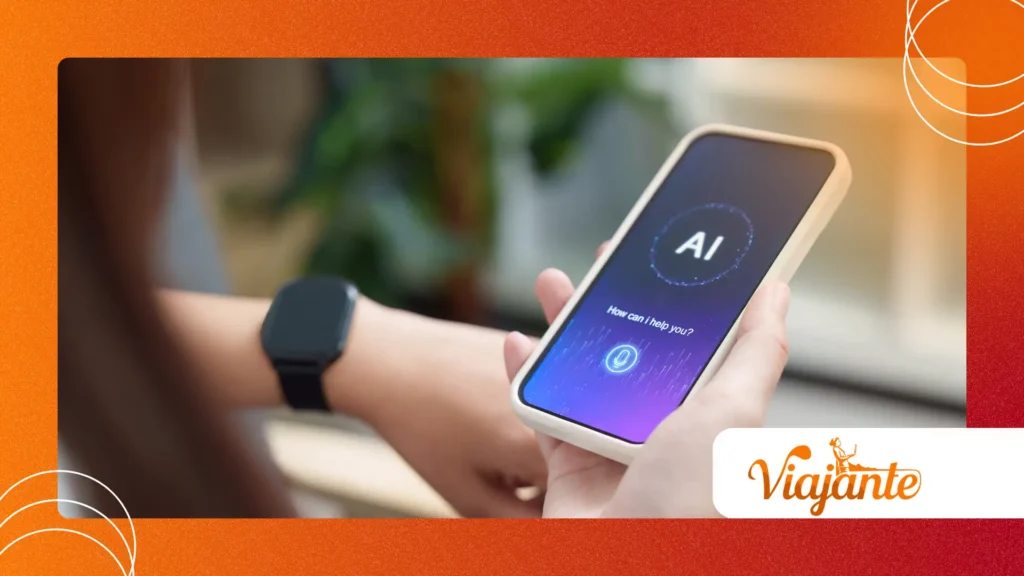
Der digitale Horizont hat sich in ein seltsames, beunruhigendes Terrain verschoben, in dem Sehen nicht mehr Glauben bedeutet.
Anzeigen
Da synthetische Medien einen Grad an Perfektion erreichen, der mit der physischen Realität konkurriert, geht es uns nicht mehr nur um technische Pannen – wir werden Zeugen einer fundamentalen Vertrauenskrise, die die Vernunft unseres beruflichen Online-Lebens unmittelbar bedroht.
Dieser Leitfaden geht über die oberflächliche Panikmache hinaus und analysiert die Funktionsweise dieser digitalen Illusionen.
Wir werden die psychologischen Mechanismen untersuchen, die uns angreifbar machen, und uns ansehen, wie brisante Falschmeldungen derzeit die Regeln des öffentlichen und professionellen Diskurses neu schreiben.
Wir werden die technischen Ursprünge dieser Videos und ihre aggressive Verbreitung über soziale Kanäle aufschlüsseln und gleichzeitig praktische, hart erarbeitete Strategien für Remote-Profis anbieten, um visuelle Inhalte zu überprüfen, bevor Schaden entsteht.
Einblick in die Ermittlungen
- Der technische Sprung, der den heutigen Boom synthetischer Rohstoffe antreibt.
- Kognitive Fallen: Warum unser Gehirn sich täuschen lassen will.
- Die beruflichen Kosten digitaler Leichtgläubigkeit.
- Moderne Werkzeugkästen für die aggressive Medienverifizierung.
- Datenaufschlüsselung: Die messbaren Auswirkungen von Deepfakes im Jahr 2026.
Was sind KI-Deepfake-Verschwörungsvideos und wie verbreiten sie sich?
Die Explosion von KI-Deepfake-Verschwörungsvideos täuschen Millionen Das ist kein Zufall, sondern das Ergebnis davon, dass Generative Adversarial Networks (GANs) einen Punkt fließender Reife erreicht haben.
Man kann es sich wie zwei KI-Systeme vorstellen, die sich in einem digitalen Wettrüsten befinden – eines erfindet die Lüge, das andere spürt die Fehler auf –, bis die Lüge perfekt ist.
In der heutigen Zeit benötigen Kreative kein Hollywood-Studio mehr. Mit gängigen Cloud-Computing-Lösungen können sie das Abbild einer Person des öffentlichen Lebens mit erschreckender Präzision auf ein virtuelles Abbild übertragen.
Wir sehen es ständig: Branchenriesen oder globale Führungskräfte tauchen in unveröffentlichtem, „geleaktem“ Videomaterial auf und machen Aussagen, die vor fünf Jahren undenkbar gewesen wären.
Geschwindigkeit ist hier die entscheidende Waffe. Da soziale Algorithmen auf schnelle Interaktion angewiesen sind, kann eine gut getimte Falschmeldung die Welt umrunden, bevor auch nur ein einziger Faktenchecker seinen Laptop aufgeklappt hat. Es ist ein Umgehen unserer traditionellen Kontrollinstanzen – die Information gelangt direkt vom Server auf eine Milliarde Bildschirme.
Für uns, die wir in der globalen Freelance-Ökonomie arbeiten, ist diese Infrastruktur ein Minenfeld. Wir leben von Glaubwürdigkeit, doch wir agieren in einem Umfeld, in dem der Boden unter unseren Füßen – die visuellen Beweise – bemerkenswert instabil geworden ist.
Wie KI-gestützte Deepfake-Verschwörungsvideos Millionen durch psychologische Manipulation täuschen.
Es hat etwas zutiefst Beunruhigendes, wie KI-Deepfake-Verschwörungsvideos täuschen Millionen indem wir unsere biologische Veranlagung ausnutzen.
Wir operieren nach dem Prinzip der „Wahrheitsvoraussetzung“ – einem natürlichen Überlebensinstinkt, das, was wir als Fakt ansehen, zu akzeptieren –, den die digitale Welt nun gegen uns als Waffe einsetzt.
Der Bestätigungsfehler wirkt wie ein perfektes Schmiermittel für diese Lügen. Wenn ein Video eine tiefsitzende Angst oder eine politische Neigung verstärkt, schaltet der analytische Teil unseres Gehirns oft ab. Es ist einfacher, eine Lüge zu glauben, die sich „richtig“ anfühlt, als ein Video zu hinterfragen, das echt aussieht.
Auch kognitive Erschöpfung spielt eine stille, aber verheerende Rolle. Wenn man Termine einhalten und gleichzeitig konzentriert arbeiten muss, schwindet der kritische Blick.
In diesem Zustand der „kontinuierlichen partiellen Aufmerksamkeit“ wirkt ein subtil veränderter Clip nicht nur real – er wird in der Erinnerung real.
Um diesen Kreislauf zu durchbrechen, braucht es mehr als nur bessere Software; es bedarf eines radikalen Wandels in der Art und Weise, wie wir Informationen konsumieren.
Wir müssen uns einer disziplinierten Skepsis zuwenden und jedes nicht verifizierte Video als potenziellen Verstoß gegen unser professionelles Urteilsvermögen betrachten.
Warum ist die Freelance-Ökonomie anfällig für synthetische Desinformation?
Remote-Mitarbeiter sind oft stark von den Trends abhängig, die sie auf sozialen Plattformen verfolgen. Der Anstieg von KI-Deepfake-Verschwörungsvideos täuschen Millionen Das bedeutet, dass ein einzelner fehlerhafter Datenpunkt zu einer verhängnisvollen Kursänderung oder einer vergeudeten Investition führen kann.
Die Marktvolatilität wird künstlich erzeugt. Eine Falschmeldung über einen Firmenzusammenbruch oder eine regulatorische Änderung kann eine sehr reale Panik auslösen, selbst wenn die Quelle nur digitaler Nebel ist.
Wenn Sie zu schnell auf eine vorgetäuschte Lüge reagieren, verlieren Sie nicht nur Geld, sondern auch Ihren Ruf bei internationalen Kunden.
Die Bedrohung hat sich auch auf unsere direkte Kommunikation ausgeweitet. Cyberkriminelle nutzen nun „Vishing“ – videobasiertes Phishing –, um sich in virtuellen Meetings als CEOs oder Partner auszugeben.
Es handelt sich um eine ausgeklügelte Datenstrategie, die auf das uns innewohnende Vertrauen in ein persönliches Gespräch abzielt.
Sich davor zu schützen, hat nichts mit Paranoia zu tun, sondern ist Teil grundlegender beruflicher Hygiene. Den eigenen Arbeitsablauf zu schützen bedeutet, anzuerkennen, dass die Person auf der anderen Seite des Bildschirms möglicherweise nur eine komplexe Ansammlung von Pixeln ist und nicht unbedingt ein potenzieller Mitarbeiter.
+ Synthetische Lebensmittelkrisen: Gezielte Verknappung oder Hype?
Vergleichende Wirkung synthetischer Medien (2024–2026)
| Metrisch | Benchmark 2024 | Aktueller Zustand im Jahr 2026 | Marktentwicklung |
| Tägliche Deepfake-Uploads | ~140,000 | ~2,100,000 | Explosive Sättigung |
| Erkennungsgenauigkeit | 82% | 94% (Enterprise Tools) | Technologisches Wettrüsten |
| Verlust durch Finanzbetrug | $12,3 Milliarden | $38,7 Milliarden | Gezieltes Phishing |
| Öffentlicher Vertrauensindex | 44% | 29% | Zunehmende Skepsis |
Welche Warnsignale helfen, erfundene Verschwörungsinhalte zu erkennen?
Selbst als KI-Deepfake-Verschwörungsvideos täuschen MillionenDie Technologie hinterlässt dennoch „digitale Narben“, wenn man weiß, wo man suchen muss.
Künstliche Intelligenz hat oft Schwierigkeiten mit der unübersichtlichen, organischen Komplexität des menschlichen Körpers und seiner Wechselwirkung mit Licht.
Achten Sie auf die Augen. Bei einem Deepfake wirkt das Blinzeln oft rhythmisch und nicht natürlich, und der Feuchtigkeitsgehalt des Augapfels reagiert selten korrekt auf die Umgebungsbedingungen.
Wenn die Pupillen die Lichtquellen im Raum nicht perfekt reflektieren, handelt es sich wahrscheinlich um eine Maske.
Der Übergang zwischen Kinnlinie und Hals ist eine weitere häufige Fehlerquelle. Achten Sie beim schnellen Sprechen auf ein „Flimmern“ oder eine leichte Unschärfe an der Stelle, wo die Haut auf den Kragen trifft.
Diese Mikrofehler treten auf, wenn die KI-Software ihre Zuordnung bei schnellen Bewegungen nicht aufrechterhalten kann.
Achten Sie auf die Schatten. Die KI mag das Gesicht zwar richtig erkennen, vergisst aber oft, dass ein sich bewegender Kopf dynamische, präzise Schatten auf die Schultern oder den Hintergrund werfen sollte.
Wenn die Beleuchtung des Motivs nicht zum Umfeld zu passen scheint, vertrauen Sie Ihrem Bauchgefühl und suchen Sie nach einer originellen Lichtquelle.
+ Das Bankenkartell: Rothschilds, Federal Reserve und Kontrolle
Welche ethischen Implikationen ergeben sich für Content-Ersteller im Jahr 2026?
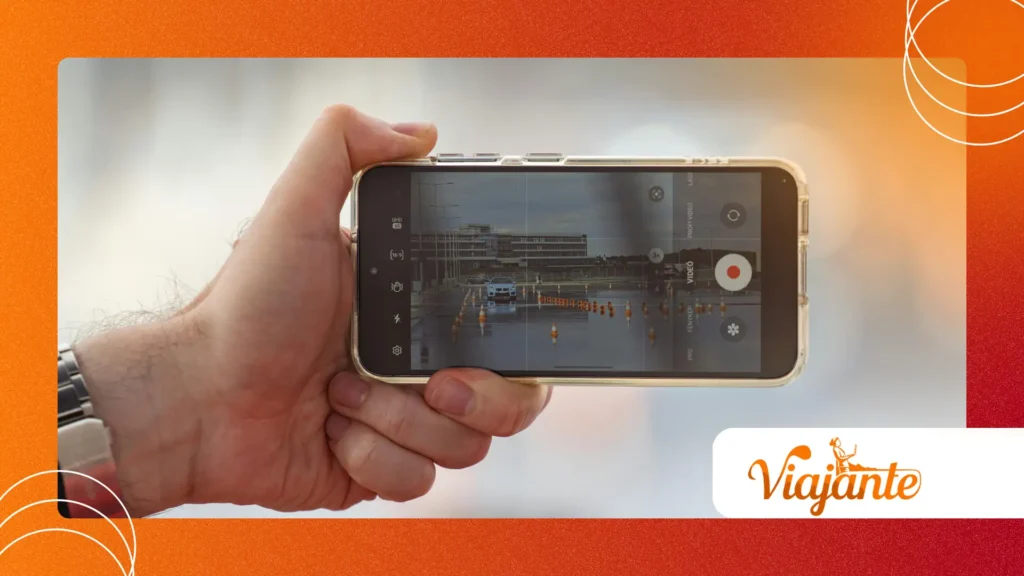
Als digitale Entwickler müssen wir uns bewusst machen, dass die Existenz von KI-Deepfake-Verschwörungsvideos täuschen Millionen Es setzt die Messlatte für alle höher. Wir dürfen nicht nur Schöpfer sein, sondern müssen auch Hüter der Wahrheit sein und uns den höchsten EEAT-Standards verpflichten.
Der Einsatz von KI zur Optimierung des Arbeitsablaufs ist sinnvoll, doch die Grenze zwischen Produktivität und Täuschung ist schmal und gefährlich. Wer eine künstliche Persönlichkeit als echten Experten ausgibt, zerstört das Fundament der Freelancer-Community: authentische menschliche Beziehungen.
Viele große Plattformen haben endlich nachgezogen und KI-Kennzeichnungen zur Pflicht gemacht. Für einen tieferen Einblick in die globale Verfolgung von Desinformation siehe Zentrum zur Bekämpfung von digitalem Hass liefert wichtige Daten zu diesen sich abzeichnenden Mustern.
Integrität wird zum Luxusgut. Indem Sie transparent mit Ihren Werkzeugen umgehen und Ihre Quellen penibel prüfen, heben Sie sich von der Masse ab.
Dieses Bekenntnis zur Realität sichert langfristiges Wachstum in einer Welt, die sich zunehmend mit Fiktion anfreundet.
Wie können Unternehmen ihre Infrastruktur vor synthetischen Angriffen schützen?
Auf eine Krise zu warten, ist keine Strategie. Unternehmen müssen Verifizierungsprozesse in ihre DNA integrieren, um der Tatsache entgegenzuwirken, dass KI-Deepfake-Verschwörungsvideos täuschen Millionen jeden einzelnen Tag. Visuelle Bestätigung ist ein Relikt aus einer einfacheren Zeit.
Moderne Sicherheitslösungen müssen sich in Richtung hardwarebasierter Verfahren entwickeln. Deepfakes können zwar Webcams täuschen, aber keine physischen Sicherheitsschlüssel imitieren.
Die Integration einer Multi-Faktor-Authentifizierung, die eine physische Anwesenheit erfordert, ist eine der wenigen Möglichkeiten, synthetische Betrüger endgültig auszuschließen.
Wir müssen die Teams auch im „lateralen Lesen“ schulen. Anstatt ein Video isoliert zu analysieren, sollten sie auch berücksichtigen, wer sonst noch über die Nachrichten berichtet.
Wenn eine große „Verschwörung“ nur von anonymen Accounts und einem viralen Video verbreitet wird, sollten die Warnsignale unüberhörbar sein.
Es ist unerlässlich, eine Kultur zu fördern, in der es in Ordnung ist, Dinge zu überprüfen – selbst wenn die Anfrage per Video vom „Chef“ kommt. Resilienz beschränkt sich nicht nur auf Software; sie beruht auch auf der menschlichen Bereitschaft, innezuhalten und zu überprüfen, bevor man auf „Senden“ klickt.
+ Projekt Monarch: Gerüchte und Psychologie der Gedankenkontrolle
Abschließende Betrachtungen
Die Erkenntnis, KI-Deepfake-Verschwörungsvideos täuschen Millionen dient als notwendiger Ruck für unsere digitale Selbstzufriedenheit.
Wir leben in einer Zeit, in der unsere Werkzeuge unsere Intuition überholt haben und die Kosten eines Irrtums höher sind als je zuvor.
Indem wir unsere Medienkompetenz schärfen und uns nicht mit oberflächlichen „Beweisen“ zufriedengeben, können wir uns im Nebel der Informationsflut noch zurechtfinden. Authentizität ist nicht nur ein Schlagwort; im Jahr 2026 ist sie das wertvollste Gut, das jeder Digitalprofi besitzen kann.
Die Grenze zwischen Realität und Inszenierung wird immer mehr verschwimmen. Ihre Fähigkeit, die hochauflösenden Lügen zu durchschauen, wird in den kommenden Jahren über Ihren beruflichen Erfolg entscheiden.
Um einen Blick auf die rechtliche und bürgerliche Seite dieses technologischen Wandels zu werfen, Electronic Frontier Foundation bietet unverzichtbare Ressourcen zu digitalen Rechten und Verifizierung.
Häufig gestellte Fragen: Wie man sich im Zeitalter der Deepfakes zurechtfindet
Wie kann man ein virales Video am schnellsten entlarven?
Führen Sie eine umgekehrte Bildersuche für bestimmte Einzelbilder durch. Falls es sich bei dem Video um einen wiederverwendeten Clip aus früheren Jahren handelt oder es von Reuters Fact Check als verdächtig eingestuft wurde, finden Sie die Quelle schnell.
Können Deepfakes jemals ethisch vertretbar im Geschäftsleben eingesetzt werden?
Absolut. Sie eignen sich hervorragend für die Übersetzung von Bildungsinhalten in mehrere Sprachen oder für die Erstellung hochwertiger Simulationen, vorausgesetzt, dem Publikum ist bewusst, dass es sich um synthetische Medien handelt.
Wie wirkt sich das Teilen von Deepfakes auf meine berufliche Suchmaschinenoptimierung aus?
Suchmaschinen bestrafen mittlerweile Websites, die nachweislich falsche oder minderwertige Inhalte verbreiten. Die Bewerbung von Verschwörungsvideos wird Ihren EEAT-Score drastisch senken und wahrscheinlich zu einem dauerhaften Rankingverlust führen.
Gibt es einen Rechtsschutz gegen Deepfakes?
Die Gesetzgebung zieht nach. Viele Regionen verfügen mittlerweile über einen „Bildnisschutz“, der rechtliche Schritte ermöglicht, wenn Ihr Bild ohne Ihre Zustimmung zu kommerziellen oder verleumderischen Zwecken verwendet wird.
Was soll ich tun, wenn ein Kunde Ziel eines Deepfakes wird?
Benachrichtigen Sie sie umgehend über einen verschlüsselten, nicht-videobasierten Kanal. Empfehlen Sie ihnen, eine öffentliche Stellungnahme abzugeben und den Inhalt dem Sicherheitsteam der Plattform zu melden, um eine weitere algorithmische Verbreitung zu verhindern.
\