
Blaue Zonen und Langlebigkeit: Was wir bisher gelernt haben
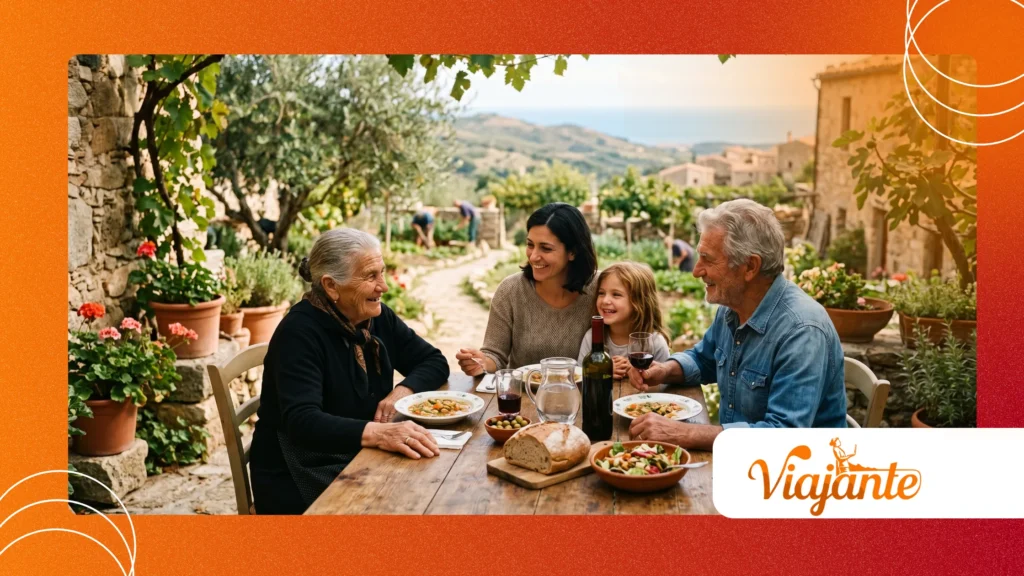
Erforschung des globalen Phänomens Blaue Zonen und Langlebigkeit liefert wertvolle Erkenntnisse darüber, wie bestimmte moderne Bevölkerungsgruppen auf natürliche Weise ein hundertjähriges Alter ohne chronische Krankheiten erreichen.
Anzeigen
Hier geht es nicht nur um das Sammeln von Daten über das Altern; es geht darum, eine tiefgreifende biologische Rebellion gegen das rasende Tempo des modernen Niedergangs zu entschlüsseln.
Während die Wellnessindustrie Langlebigkeit in Kapselform verkauft, beweisen diese Gemeinschaften, dass ein langes Leben ein zufälliges Nebenprodukt eines gut gelebten Daseins ist, das unauffällig in ihre kulturellen Gewohnheiten, ihre Ernährungsgewohnheiten und ihre täglichen Lebensstrukturen eingewoben ist.
Was Sie lernen werden
- Die Kerngrundlagen: Definition und geografische Lage dieser einzigartigen Langlebigkeits-Hotspots.
- Das Power-9-Framework: Empirische Erkenntnisse über Lebensgewohnheiten, die zu außergewöhnlich hohen Lebenserwartungsraten führen.
- Die Ernährungsmatrix: Nährstoffkomponenten, die die Zellgesundheit über Jahrzehnte erhalten.
- Moderne Implikationen: Übersetzung geografischer Daten in praktische, alltagstaugliche Wellness-Strategien.
Was ist eine Blaue Zone und wo befinden sie sich?
Die wissenschaftliche Untersuchung von Blaue Zonen und Langlebigkeit Es begann damit, dass Demografen bestimmte Regionen mit einer außergewöhnlich hohen Konzentration von Hundertjährigen identifizierten.
Diese geografischen Gebiete zeigen, dass gesundes Altern stark vom Umweltkontext und nicht nur von der Genetik abhängt.
Hier wird die Statistik faszinierend: Bei diesen Enklaven handelt es sich nicht um Hightech-Medizinzentren, sondern um isolierte Oasen, in denen der moderne Stress nicht Fuß fassen konnte.
Die Forscher kartierten zunächst fünf verschiedene Regionen weltweit. Zu diesen Hotspots gehören Ikaria in Griechenland, Okinawa in Japan, Ogliastra in Italien, Nicoya in Costa Rica und eine Gemeinde in Loma Linda, Kalifornien.
Jede Region zeichnet sich durch einzigartige kulturelle Merkmale aus, doch alle weisen gemeinsame Umweltmerkmale auf. Ihre gemeinsamen Gewohnheiten legen nahe, dass eine Optimierung des menschlichen Lebensstils tiefgreifende systemische Gesundheitsvorteile mit sich bringt.
Warum sind Lebensgewohnheiten für die Lebenserwartung wichtiger als die Genetik?
Die Epigenetik belegt, dass tägliche Gewohnheiten die Genexpression weitaus stärker beeinflussen als die vererbte DNA. Während die Genetik etwa 201 % der Lebenserwartung erklärt, bestimmen Umweltfaktoren den überwiegenden Rest.
Diese Erkenntnis verändert alles; sie beseitigt die Ausrede der „schlechten Gene“ und legt die Verantwortung direkt auf unsere täglichen Entscheidungen.
Chronische Erkrankungen entstehen häufig durch anhaltende, unterschwellige Entzündungen, die durch modernen Stress hervorgerufen werden. Die Bevölkerung in diesen Regionen mildert diese Entzündungen durch ständige, leichte körperliche Bewegung, die in ihren Alltag integriert ist.
Ein aktiver Alltag beugt Stoffwechselstörungen auf natürliche Weise vor. Die Bewohner gehen viel zu Fuß, pflegen abwechslungsreiche Hausgärten und erledigen Hausarbeiten manuell, anstatt sich ausschließlich auf mechanische Automatisierung zu verlassen.
Wie erklärt das Power-9-Modell die globale Langlebigkeit?
Das Power-9-Modell vereint jahrzehntelange anthropologische Forschung zu handlungsrelevanten Lebensstilmerkmalen. Dieses System verdeutlicht, wie bestimmte Gemeinschaften Bewegung, Sinnhaftigkeit und Gemeinschaft nahtlos in ihr soziales Gefüge integrieren.
Es handelt sich um eine elegante Aufschlüsselung, die jedoch vom westlichen Blick oft fälschlicherweise als Checkliste und nicht als ein tiefgreifend vernetztes Ökosystem interpretiert wird.
Das Entschleunigen ist ein wesentlicher Bestandteil dieses ganzheitlichen Konzepts. Die Bewältigung von Alltagsstress schützt die Herz-Kreislauf-Gesundheit, reduziert die Cortisolproduktion und beugt der Zellalterung über Jahrzehnte hinweg wirksam vor.
Was sind die ernährungsphysiologischen Säulen einer Langlebigkeitsdiät?
Das Ernährungsparadigma innerhalb Blaue Zonen und Langlebigkeit Die Studien legen Wert auf nährstoffreiche Vollwertkost. Vollkornprodukte, regionales Gemüse, Knollen und verschiedene Hülsenfrüchte bilden die Grundlage ihrer täglichen Mahlzeiten. Diese unprätentiöse Einfachheit hebt sich deutlich von modernen Ernährungstrends ab.
Fleisch dient in erster Linie als Beilage zu festlichen Anlässen und weniger als Hauptgericht. Der Verzehr kleinerer Portionen tierischen Eiweißes reduziert die Aufnahme gesättigter Fettsäuren und maximiert gleichzeitig die Zufuhr an wertvollen Ballaststoffen.
Die Vielfalt des Mikrobioms profitiert von dieser abwechslungsreichen, pflanzenbasierten Ernährungsweise. Ein widerstandsfähiges Darmmikrobiom unterstützt eine robuste Immunfunktion und reduziert systemische Entzündungen während des gesamten menschlichen Lebenszyklus.
+ Gamifizierte Fitness: Treiben Sie dadurch tatsächlich mehr Sport?
Wie beeinflussen soziale Kontakte die langfristige körperliche Gesundheit?
Eine starke soziale Infrastruktur verringert die mit Isolation und Einsamkeit verbundenen Sterberisiken erheblich. Gesunde Gemeinschaften schaffen tragfähige Unterstützungsnetzwerke, die aktiv positive Verhaltensweisen ihrer Mitglieder fördern und damit beweisen, dass Einsamkeit eine tatsächliche physische Gefahr darstellt.
Die Bewohner Okinawas nutzen soziale Unterstützungsgruppen, die sie nennen. Moais um lebenslange Freundschaften zu gewährleisten. Diese engen emotionalen Bindungen verringern psychische Belastungen und mildern die gefährlichen biologischen Auswirkungen von chronischem Stress.
Das Zusammenleben mehrerer Generationen sorgt dafür, dass ältere Familienmitglieder geistig aktiv bleiben und respektiert werden. Diese integrative Dynamik gibt älteren Menschen klare soziale Rollen und erhält so ihre kognitive Leistungsfähigkeit.
Welche biologischen Marker profitieren am meisten von diesen Gewohnheiten?
Klinische Untersuchungen zeigen, dass diese Lebensstilentscheidungen wichtige Herz-Kreislauf-Parameter deutlich verbessern. Regelmäßige, leichte Bewegung erhält die Elastizität der Arterienwände und fördert langfristig einen gesunden Blutdruck.
Aufgrund einer Ernährung mit wenigen, unverarbeiteten Lebensmitteln bleiben die Nüchterninsulinwerte konstant niedrig. Der Verzicht auf hochverarbeitete Lebensmittel beugt Insulinresistenz vor und reduziert so das Risiko für Typ-2-Diabetes und das metabolische Syndrom.
Die Telomerlänge, ein biologischer Indikator für das Altern, scheint in diesen Bevölkerungsgruppen besser erhalten zu sein. Anhaltende körperliche Aktivität in Verbindung mit geringer Entzündung schützt die Zellintegrität der Chromosomen.
+ Das Wachstum virtueller Apotheken nach der Pandemie
Wann sollten Einzelpersonen Strategien zur Langlebigkeit umsetzen, um die maximale Wirkung zu erzielen?
Die Annahme gesunder Gewohnheiten bringt in jeder Lebensphase bedeutende biologische Vorteile. Während eine frühzeitige Integration die physiologische Widerstandsfähigkeit optimiert, führen auch Anpassungen des Lebensstils in der Lebensmitte zu tiefgreifenden systemischen Gesundheitsverbesserungen. Der Körper ist erstaunlich anpassungsfähig.
Das Gefäßsystem reagiert schnell auf Ernährungsumstellung und regelmäßige körperliche Bewegung. Die Einführung von Vollwertkost senkt die Blutfettwerte und verbessert die Endothelfunktion innerhalb weniger Monate.
Auch die neurologische Gesundheit profitiert von Veränderungen des Lebensstils im fortgeschrittenen Alter. Die Teilnahme an neuen gemeinschaftlichen Aktivitäten und sinnvollen Projekten fördert die Neuroplastizität und schützt die kognitive Reserve im fortgeschrittenen Alter.
Was können moderne Städte von diesen traditionellen Regionen lernen?
Stadtplaner richten ihren Blick zunehmend auf Blaue Zonen und Langlebigkeit Prinzipien zur Gestaltung gesünderer Gemeinschaften.
Die Schaffung fußgängerfreundlicher Wohnviertel fördert spontane körperliche Bewegung und verringert die starke Abhängigkeit vom Autoverkehr.
Die Schaffung zugänglicher Grünflächen fördert die Interaktion in der Nachbarschaft und reduziert psychischen Stress im urbanen Raum. Gemeinsame Gärten tragen zur lokalen Ernährungssicherheit bei und regen gleichzeitig zu gemeinschaftlichen Aktivitäten unter Nachbarn an.
Die Integration dieser baulichen Konzepte hilft modernen Städten, chronischen Bewegungsmangelkrankheiten entgegenzuwirken. Die Umgestaltung urbaner Räume ermöglicht es der Bevölkerung, lebensverlängernde Gewohnheiten mühelos in ihren Alltag zu integrieren.
Wie schützt ein sinnstiftendes Leben die kognitiven Funktionen im Alter?
Ein klar definierter Lebenssinn korreliert direkt mit einem geringeren Risiko für kognitiven Abbau. Eine klare psychologische Orientierung schützt das Gehirn vor den schädlichen Auswirkungen chronischer Angstzustände.
Das japanische Konzept von ikigai Dies bedeutet konkret, einen klaren Grund zum Aufwachen zu haben. Dieser mentale Antrieb hält den Dopaminspiegel hoch und erhält die exekutiven neurologischen Funktionen aufrecht.
Zielstrebige Menschen engagieren sich aktiv in komplexen Gemeinschaftsaufgaben und Problemlösungen. Kontinuierliche geistige Anregung stärkt die kognitive Reserve und beugt so Demenzsymptomen im Alter vor.
Warum ist eine leichte Kalorienrestriktion vorteilhaft für die Zellreparatur?
Bewusste Mäßigung beim Essen aktiviert wichtige zelluläre Reinigungsmechanismen, die als Autophagie bekannt sind. Dieser biologische Prozess entfernt beschädigte Zellbestandteile und optimiert so langfristig die allgemeine Stoffwechselleistung.
Okinawaner praktizieren Hara Hachi BuEine traditionelle Gewohnheit ist es, mit dem Essen aufzuhören, wenn man zu achtzig Prozent satt ist. Diese einfache Einschränkung verhindert eine metabolische Überlastung und minimiert gefährlichen systemischen oxidativen Stress.
Wer konsequent übermäßiges Essen vermeidet, reduziert die Bildung schädlicher freier Radikale in den Mitochondrien. Eine effiziente Energieproduktion sichert die Zellvitalität und unterstützt so die allgemeine Gesundheit bis ins hohe Alter.
Welche Getränke fördern die Herz-Kreislauf-Gesundheit in diesen Brennpunkten?

In Gemeinschaften, die ein hohes Alter erreichen, setzen die Strategien zur Flüssigkeitszufuhr stark auf sauberes Wasser und natürliche Kräutertees. Diese Getränke liefern essenzielle Mineralstoffe und versorgen den Körper gleichzeitig mit wirksamen, gesundheitsfördernden Antioxidantien.
Sarden trinken häufig in Maßen Cannonau, einen regionalen Wein, im Familienkreis. Dieses Getränk zeichnet sich durch einen besonders hohen Gehalt an Polyphenolen aus, die die Arterienwände vor oxidativen Schäden schützen.
Grüner Tee gehört in anderen, besonders widerstandsfähigen Gemeinschaften zum täglichen Grundnahrungsmittel. Die hohe Konzentration an Catechinen unterstützt die Stoffwechselgesundheit und trägt dazu bei, einen gesunden Cholesterinspiegel während des gesamten Erwachsenenalters aufrechtzuerhalten.
+ Neurofeedback bei ADHS: Neue Erkenntnisse
Wie können vielbeschäftigte Berufstätige diese Prinzipien heute anwenden?
Nachahmung Blaue Zonen und Langlebigkeit Um sich regelmäßig zu bewegen, muss man nicht in ländliche Gegenden umziehen. Berufstätige können regelmäßige Bewegung in ihren Alltag integrieren, indem sie Stehpulte nutzen und kurze Gehpausen einlegen.
Die Essenszubereitung sollte sich auf das Vorkochen größerer Mengen von Hülsenfrüchten, Urgetreide und frischem Gemüse konzentrieren. Die Planung pflanzenbasierter Mahlzeiten gewährleistet eine hohe Nährstoffqualität auch während anspruchsvoller, schnelllebiger Arbeitswochen.
Der Aufbau eines engen beruflichen und persönlichen Unterstützungsnetzwerks schützt die psychische Gesundheit vor Burnout. Zeit für intensive soziale Beziehungen zu investieren, fördert die langfristige psychische Widerstandsfähigkeit angesichts der Anforderungen des modernen Berufslebens.
Die bleibende Weisheit von Blaue Zonen und Langlebigkeit betont, dass Gesundheit aus einer umfassenden Integration des Lebensstils resultiert.
Für anhaltende Vitalität ist ein harmonisches Gleichgewicht zwischen gesunder Ernährung, ständiger natürlicher Bewegung und tiefen sozialen Bindungen erforderlich.
Die Priorisierung dieser grundlegenden menschlichen Bedürfnisse ermöglicht es dem Einzelnen, widerstandsfähige Umgebungen zu schaffen, die die Gesundheit fördern. Letztendlich geht es bei Langlebigkeit nicht nur darum, dem Leben Jahre hinzuzufügen, sondern den Jahren mehr Leben einzuhauchen.
Um tiefergehende wissenschaftliche Erkenntnisse zu globalen Gesundheitskennzahlen und Lebenserwartungsdaten zu gewinnen, konsultieren Sie die offizielle Dokumentation der [Organisation/Institution einfügen]. Weltgesundheitsorganisation.
Häufig gestellte Fragen
Welche Lebensmittelgruppe wird in allen Blauen Zonen am häufigsten verzehrt?
Hülsenfrüchte bilden die primäre Ernährungsgrundlage in allen fünf demografischen Regionen. Bohnen, Linsen und Kichererbsen liefern täglich hochwertiges pflanzliches Eiweiß, essentielle komplexe Kohlenhydrate und große Mengen an löslichen Ballaststoffen.
Sind die Menschen in den Blauen Zonen ausschließlich Vegetarier?
Nein, die meisten Bevölkerungsgruppen verzehren geringe Mengen Fleisch nur bei besonderen kulturellen Festen. Ihre Gesamternährung ist nach wie vor überwiegend pflanzlich, wobei tierisches Eiweiß hauptsächlich gelegentlich als Geschmacksverstärker dient.
Wie viel Bewegung bekommen Hundertjährige in diesen Regionen?
Sie absolvieren selten strukturierte, hochintensive Trainingseinheiten im Fitnessstudio oder anstrengende Übungsprogramme. Stattdessen integrieren sie auf natürliche Weise ständige, leichte körperliche Bewegung durch tägliches Spazierengehen, intensive Gartenarbeit und manuelle Hausarbeiten.
Können diese Gewohnheiten auch im späteren Lebensalter noch Vorteile bringen?
Ja, klinische Studien bestätigen, dass die Annahme gesunder Gewohnheiten im mittleren Lebensalter die Herz-Kreislauf-Funktion deutlich verbessert. Gesunde Ernährung und Stressreduktion optimieren die Genexpression und verlängern so die gesunde Lebensspanne in jedem Alter.
Welche Rolle spielen Glaube oder Spiritualität für ein langes Leben?
Die überwiegende Mehrheit der untersuchten Hundertjährigen gehört eng verbundenen spirituellen oder religiösen Gemeinschaften an. Die regelmäßige Teilnahme an gemeinsamen Gottesdiensten bietet starke soziale Netzwerke, senkt den Stresspegel und fördert das emotionale Wohlbefinden.
Wie gehen die Blauen Zonen mit Stressmanagement um?
Die Bewohner nutzen strukturierte Tagesrituale, um Stress abzubauen, beispielsweise durch ein Nickerchen am Nachmittag oder den Genuss von geselligen Abenden. Diese einfachen kulturellen Gewohnheiten reduzieren systemische Entzündungen und beugen so chronischen Erkrankungen vor, die mit der modernen Angststörung einhergehen.
Um mehr über die spezifischen anthropologischen Feldstudien und die historische Demografie zu erfahren, die diese Regionen geprägt haben, besuchen Sie die Website. National Geographic Society.
\