
„Papageien und Königshäuser: Eine kuriose historische Verbindung“
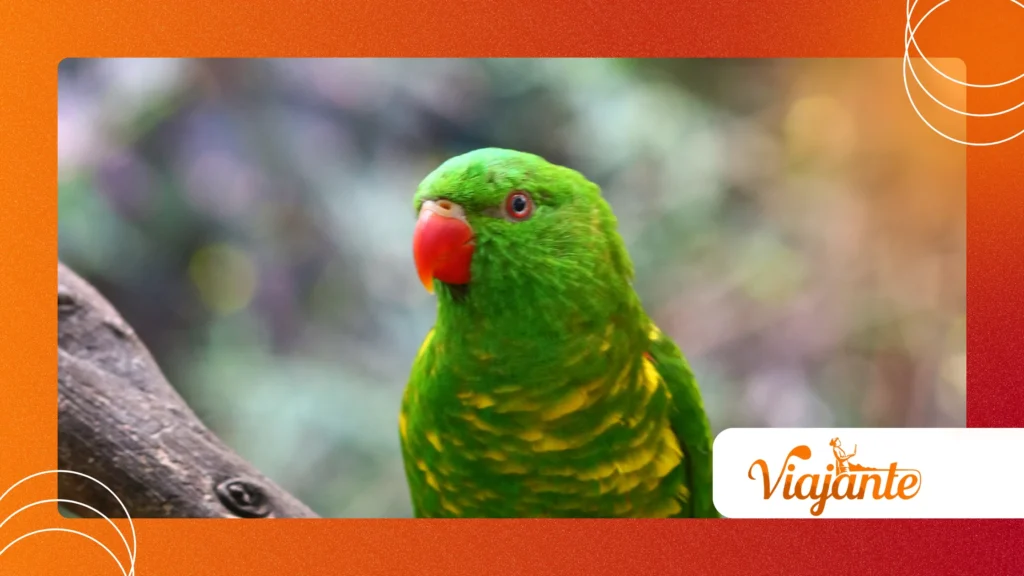
Die geheime Geschichte aufdecken Die „Papageien und der Adel“ offenbart von Anfang an eine Bindung voller Opulenz, Gerede und Staunen.
Anzeigen
Jahrhundertelang galt der Besitz eines Vogels, der zur menschlichen Sprache fähig war, als das ultimative Statussymbol.
Könige und Königinnen begehrten nicht nur Gold und Land; sie strebten nach Herrschaft über die Natur selbst. Ein Wesen, das die Stimme eines Monarchen nachahmen konnte, galt in der Antike als beinahe magisch.
Heutzutage denkt man bei Palasthaustieren vielleicht an Corgis, doch einst waren Federn die dominierenden Tiere. Von den Dschungeln Indiens bis zum Amazonas fanden exotische Vögel ihren Weg in die exklusivsten Thronsäle.
Lasst uns tief in dieses faszinierende Geschichtsarchiv eintauchen. Wir werden erforschen, wie diese intelligenten Volieren die Diplomatie beeinflussten, Komfort spendeten und sogar die Höfe der mächtigsten Herrscher der Erde schockierten.
Warum sehnten sich Monarchfalter nach diesen farbenprächtigen Begleitern?
Herrscher haben seit jeher versucht, ihre Macht und ihren Einfluss durch ihren Besitz zu demonstrieren. Das Halten eines exotischen Tieres bewies, dass der Einfluss eines Königs bis in die entlegensten Winkel der bekannten Welt reichte.
Ein Papagei war nicht bloß ein Haustier; er war ein lebendes Juwel. Sein farbenprächtiges Gefieder harmonierte perfekt mit den kostbaren Wandteppichen und Gewändern des Adels und machte ihn somit zum idealen lebenden Accessoire für den Hof.
Neben ihrer Schönheit zeichnet sie vor allem die Fähigkeit zu sprechen aus, die sie von allen anderen Tieren unterscheidet. Ein Vogel, der ein königliches Motto oder den Namen des Königs wiederholte, bot eine einzigartige Bestätigung absoluter Macht.
Psychologisch gesehen boten diese Vögel einem einsamen Herrscher etwas Seltenes: einen Vertrauten. Anders als Höflinge, die Intrigen schmiedeten, bot ein Papagei seinem Herrn unverfälschte Interaktion und amüsante Treue.
+ Wie der Mond das Verhalten von Tieren beeinflusst
Wie hat Alexander der Große diesen Trend ausgelöst?
Die Geschichte von Die „Papageien und der Adel“ Es beginnt wohl mit einem der größten Eroberer der Geschichte. Alexander der Große erweiterte nicht nur die Grenzen, sondern brachte auch Kultur und Natur nach Griechenland zurück.
Während seiner Feldzüge in Indien um 327 v. Chr. begegnete Alexander großen, grünen Sittichen. Er war fasziniert von ihrer Intelligenz und ihrer Fähigkeit, die Laute seiner Soldaten und Höflinge nachzuahmen.
Er brachte diese Exemplare zurück ins Mittelmeergebiet, wo sie unter der hellenistischen Elite sofort für Furore sorgten. Diese Vögel sind noch heute als Alexandersittiche bekannt. (Psittacula eupatria).
Sogar Aristoteles, der berühmte Philosoph und Lehrer Alexanders des Großen, beschrieb diese Vögel. Dies markierte den Moment, als Papageien von wilden Kuriositäten zu unverzichtbaren Bestandteilen der Häuser der Mächtigen wurden.
Historischer Hinweis: Der Alexandersittich ist direkt nach dem Kaiser benannt und symbolisiert die dauerhafte Verbindung zwischen seiner Herrschaft und diesen stimmgewaltigen Vögeln.
+ HPferde veränderten die Stämme der amerikanischen Ureinwohner
Welche Geheimnisse barg der Papagei Heinrichs VIII.?
Springen wir in die Tudorzeit, und wir finden den berüchtigten König Heinrich VIII. Bekannt für seine sechs Ehefrauen und seine turbulente Regierungszeit, hatte Heinrich auch eine weichere Seite für seine Tiere.
Aufzeichnungen belegen, dass im Hampton Court Palace ein Graupapagei lebte. Dieser Vogel war Zeuge vieler privater Momente des Königs und möglicherweise auch einiger seiner politischen Ausbrüche.
Der Legende nach lernte dieser Papagei, die Bootsleute über die Themse zu rufen. Er rief nach einem Boot und verwirrte damit die Arbeiter, die dann hinüberruderten und schließlich einen lachenden Vogel vorfanden.
Diese Anekdote unterstreicht die Intelligenz der Graupapageien. Sie verleiht auch einem König, der oft nur für seine Tyrannei in Erinnerung bleibt, ein menschliches Antlitz, indem sie einen Mann zeigt, der sich über die Streiche eines Vogels amüsierte.
Wie veränderte die Neue Welt die königliche Voliere?
Die Entdeckung Amerikas im Jahr 1492 veränderte die Dynamik dramatisch. Die „Papageien und der Adel“ Plötzlich wurden die europäischen Gerichte mit den blendend hellen Aras des Amazonas bekannt gemacht.
Christoph Kolumbus brachte kubanische Amazonen und Aras zu Königin Isabella von Spanien. Diese Vögel waren größer und farbenprächtiger als alles, was man zuvor in Afrika oder Indien gesehen hatte.
Der Besitz eines scharlachroten oder blau-goldenen Aras wurde zum Zeichen dafür, dass ein Monarch die Handelsrouten des Atlantiks kontrollierte. Es war ein geopolitisches Machtdemonstration, die sich in leuchtenden Federn manifestierte.
Der Zustrom dieser Vögel löste in ganz Europa eine regelrechte „Papageienmanie“ aus. Künstler begannen, sie in Porträts von Herzoginnen und Prinzen einzubinden, um Reichtum, Exotik und die Verbindung zum Göttlichen zu symbolisieren.
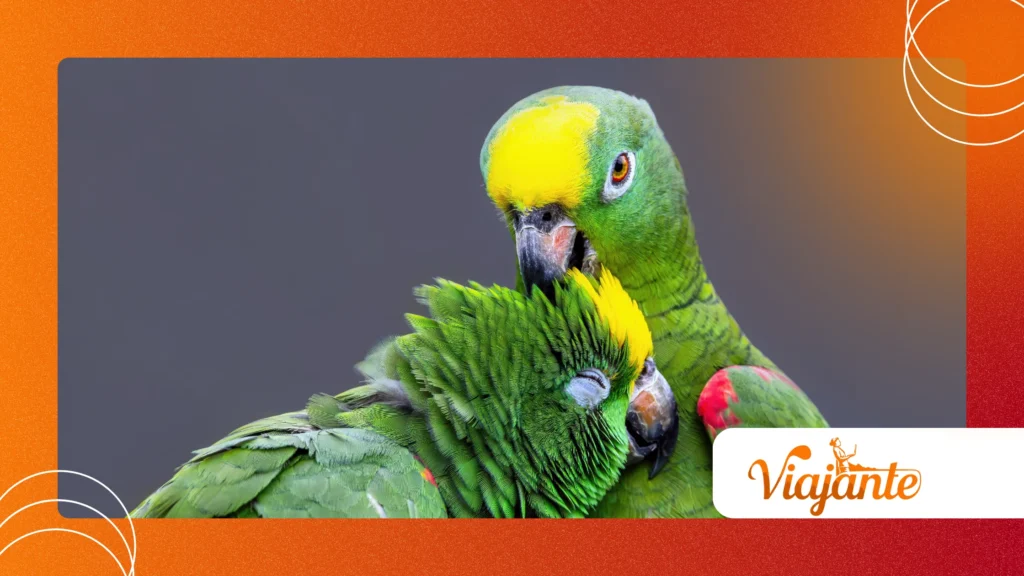
Warum war der Graupapagei von Königin Victoria so bedeutsam?
Königin Victoria wird oft mit Strenge und Trauer in Verbindung gebracht, doch sie war eine hingebungsvolle Tierliebhaberin. Ihre enge Bindung zu ihrem Graupapagei „Coco“ ist in ihren umfangreichen Tagebüchern gut dokumentiert.
Die Kokosnuss war nicht nur Dekoration; der Vogel war ihr während ihrer langen Witwenzeit ein treuer Begleiter. Der Papagei genoss einen Ehrenplatz im königlichen Haushalt und wurde von den Bediensteten mit großem Respekt behandelt.
Berichten zufolge verbrachte Victoria Zeit damit, Coco das Singen von „God Save the Queen“ beizubringen. Diese Interaktion zeigt den Wunsch nach Verbundenheit und Normalität inmitten der starren Protokolle des britischen Hofes im 19. Jahrhundert.
Als Coco starb, war die Königin zutiefst betrübt. Diese Beziehung verdeutlicht, wie diese Vögel die Kluft zwischen den nüchternen Pflichten der Krone und dem menschlichen Bedürfnis nach Zuneigung überbrückten.
Datenanalyse: Die Evolution der königlichen Vögel
Um zu verstehen, wie in verschiedenen Epochen unterschiedliche Arten aufgrund von Handelsrouten und ästhetischen Gesichtspunkten bevorzugt wurden, betrachten Sie den folgenden Vergleich der königlichen Favoriten im Laufe der Geschichte.
+ Wie Tauben in den Weltkriegen eingesetzt wurden
| Es war | Primärarten | Herkunft | Symbolische Bedeutung |
| Hellenistisch | Alexandersittich | Indien | Eroberung und Intellekt |
| Römisches Reich | Halsbandsittich | Afrika/Asien | Luxus und Dekadenz |
| Renaissance | Afrikanisches Grauhaar | Afrika | Geheimnis und Nachahmung |
| Zeitalter der Entdeckungen | Scharlachroter Ara | Südamerika | Kolonialmacht und Reichtum |
| viktorianisch | Graupapagei / Amazonen | Global | Kameradschaft und Loyalität |
Welche Rolle spielten Papageien in der königlichen Diplomatie?
Einen Papagei zu verschenken, war eine diplomatische Geste mit hohem Risiko. Es zeigte, dass der Schenkende über seltene Ressourcen verfügte und etwas Pflegeintensives und Schönes verschenken wollte.
Im 17. Jahrhundert schenkten niederländische Händler chinesischen Kaisern und japanischen Shogunen häufig seltene Loris und Kakadus. Diese lebenden Geschenke erleichterten die internationalen Handelsverhandlungen.
Ein Papagei kann auch als Eisbrecher dienen. In angespannten Gerichtssituationen kann der unerwartete Kommentar eines Vogels die Stille durchbrechen und Diplomaten zum Lachen bringen und ihre Vorsicht lockern.
Es war jedoch riskant. Es gibt Geschichten von Papageien, die Beleidigungen, die sie in privaten Gemächern gehört hatten, vor ausländischen Würdenträgern wiederholten, was zu peinlichen, wenn nicht gar gefährlichen politischen Situationen führte.
Gibt es moderne Königshäuser, die Traditionen am Leben erhalten?
Im Jahr 2025 wird die Erzählung von Die „Papageien und der Adel“ Der Fokus hat sich von Besitz zu Schutz verlagert. Moderne Königshäuser halten seltener Wildvögel und unterstützen stattdessen häufiger Wohltätigkeitsorganisationen.
König Karl III., bekannt für sein Engagement für den Umweltschutz, setzt sich für den Schutz der Regenwälder ein, dem Ursprungsort dieser Vögel. Der Fokus hat sich vom Käfig in die Baumkronen verlagert.
Von Adelsfamilien unterstützte Naturschutzstiftungen finanzieren heute Forschungsprojekte zum Schutz des Spix-Aras und anderer bedrohter Arten. Die „Besitzverantwortung“ hat sich in eine Verantwortung für das Überleben der Arten gewandelt.
Diese Entwicklung spiegelt einen umfassenderen gesellschaftlichen Wandel wider. Wir betrachten Tiere nicht länger lediglich als Statussymbole, die man sammelt, sondern als unverzichtbare Bestandteile eines globalen Ökosystems, die Schutz benötigen.
Wie definiert Intelligenz diese Bindung?
Der Hauptgrund, warum Papageien über Jahrtausende in Palästen gehalten wurden, liegt in ihrer Intelligenz. Papageien besitzen die kognitiven Fähigkeiten eines jungen Menschenkindes und sind daher interessante Partner für gebildete Herrscher.
Sie können Rätsel lösen, sich Gesichter merken und Groll hegen. Für einen König, dem man einst gehorchen musste, war ein Vogel, der selbst entscheiden konnte, ob er sprechen wollte oder nicht, unendlich faszinierend.
Neuere Studien bestätigen, dass Papageien nicht nur imitieren, sondern auch den Kontext verstehen. Wenn ein Königspapagei um Futter bat, wusste er wahrscheinlich genau, was er tat: Er manipulierte den König, um an eine Leckerei zu gelangen.
Diese intellektuelle Gleichwertigkeit schuf eine einzigartige Dynamik. Es war ein Zusammentreffen zweier Geister – der eine trug die Last einer Krone, der andere die Freiheit des Fliegens.
Fazit: Ein Vermächtnis von Federn und Kronen
Die Geschichte von „Papageien und Könige“„ist ein Beweis für die anhaltende Faszination der Menschheit für die stimmgewaltigsten Geschöpfe der Natur. Von Alexanders Eroberungen bis zu Victorias Salon – diese Vögel haben alles miterlebt.“
Sie dienten als Vertraute, Statussymbole und Hofnarren. Sie brachten Farbe in graue Steinschlösser und Stimmen in die stillen Hallen der Macht.
Heute ehren wir diese Geschichte nicht, indem wir sie einsperren, sondern indem wir den Erhalt ihrer Lebensräume sichern. Die wahre Größe im Jahr 2025 liegt darin, diese prächtigen Geschöpfe für zukünftige Generationen zu bewahren.
Die Königshäuser mögen sich geändert haben, doch die Faszination des Papageis bleibt zeitlos. Ihre Intelligenz und Schönheit fesseln uns weiterhin und beweisen, dass manche Verpflichtungen über Geschichte und Artengrenzen hinausgehen.
FAQ: Häufig gestellte Fragen
F: Haben römische Kaiser wirklich Papageien gegessen?
A: Leider ja. In Zeiten extremer Dekadenz, insbesondere unter Kaiser Elagabalus, wurden Papageienköpfe manchmal als Delikatesse serviert, was eher verschwenderischen Luxus als Wertschätzung für das Tier zur Schau stellte.
F: Welcher Papagei lebt am längsten?
A: Große Aras und Kakadus können über 80 Jahre alt werden. Manche dieser königlichen Vögel überlebten sogar ihre Monarchen und wurden wie Familienerbstücke über Generationen weitergegeben.
F: Hat jemals eine Königin ihre eigenen Vögel trainiert?
A: Ja, Königin Victoria war dafür bekannt, einen engen Kontakt zu ihren Vögeln zu pflegen. Sie überwachte persönlich deren Pflege und hatte Freude daran, ihnen einfache Sätze beizubringen.
F: Warum sind Graupapageien bei Königshäusern so beliebt?
A: Sie gelten weithin als die intelligentesten sprechenden Vögel. Ihre Fähigkeit, umfangreiche Vokabeln zu erlernen, machte sie zu unterhaltsamen und beeindruckenden Begleitern für intellektuelle Herrscher.
F: Ist es heute noch legal, diese „königlichen“ Vögel zu besitzen?
A: Das hängt von der Art und dem Land ab. Viele Arten, die einst von Adelsfamilien gehalten wurden, stehen heute unter Schutz. Ab 2025 konzentriert sich die ethische Haltung auf in Gefangenschaft gezüchtete Vögel, nicht auf Wildfänge.
\