
لماذا يثير المذنب بين النجوم 3I أطلس إعجاب علماء الفلك؟

المراقبة أطلس المذنب بين النجوم 3I يُتيح هذا الاكتشاف لعلماء الفلك فرصةً غير مسبوقة لرؤية المادة السماوية التي تشكلت خارج نطاق نظامنا الشمسي. وقد رصدت تلسكوبات المسح الآلية هذا الجسم عالي السرعة وهو يتحرك بسرعة عبر سماء نصف الكرة الشمالي.
إعلانات
تُثبت المسارات المدارية القطعية أن هذا الزائر الجليدي نشأ في أعماق الفضاء وليس في نظامنا الكوكبي المحلي. كما أن دراسة بصمته الكيميائية تُقدم دليلاً فيزيائياً مباشراً على تكوّن الكواكب حول النجوم البعيدة دون الحاجة إلى استخدام المركبات الفضائية.
يستكشف هذا الدليل المفصل ديناميكيات المدارات، والتحليل الكيميائي الطيفي، وطرق التتبع الرصدية، والخصائص الرئيسية التي تجعل هذا الاكتشاف الكوني ذا أهمية كبيرة لعلم الكواكب.
ما هو أطلس المذنب بين النجوم 3I؟
يُعرّف علماء الفلك المذنبات بين النجوم بأنها أجسام جليدية خارج المجموعة الشمسية تسافر عبر الأنظمة الكوكبية على طول مسارات زائدية غير مقيدة. أطلس المذنب بين النجوم 3I يمثل هذا ثالث زائر مارق مؤكد تم رصده داخل جوارنا الشمسي.
كشفت عمليات المسح الرقمي عالية الدقة للسماء عن هذا الجسم خلال عمليات المسح الآلي الروتينية عبر إحداثيات الفضاء السحيق. وتقوم شبكات الرصد الحديثة بمعالجة ملايين البيانات النجمية باستمرار لتحديد الأهداف الشاذة سريعة الحركة بسرعة.
كشفت القياسات الضوئية عن انبعاث غازات مبكر، مؤكدةً سلوك المذنبات حيث تبخرت المركبات المتطايرة المتجمدة تحت السطح بفعل حرارة الشمس. وينتج عن هذا التفاعل الشمسي هالة غبارية متوهجة وبنية ذيل مميزة.
تكشف مقارنة هذا الجسم مع الزوار السابقين عن اختلافات ملحوظة في الكثافة الهيكلية والتوازن الكيميائي للمواد المتطايرة. كل اكتشاف لجسم خارج المجموعة الشمسية يوسع المعرفة التجريبية المتعلقة بالمواد البدائية الموجودة داخل السحب بين النجوم البعيدة.
تقيس أجهزة التحليل الطيفي ضوء الشمس المنعكس لتحديد عناصر محددة كامنة تحت قشرة الغبار السطحية الداكنة. وقد رصد الباحثون جليد الماء والسيانوجين وأول أكسيد الكربون المتجمد وهي تتسرب إلى الفضاء باستمرار.
كيف يؤكد المسار المداري الأصل بين النجوم؟
تحسب نماذج الجاذبية السرعات الواردة قبل أن تؤثر جاذبية الشمس على التسارع، مما يثبت أصلًا خارجيًا بين النجوم. تتجاوز متجهات السرعة بكثير عتبات السرعة اللازمة لإبقاء جسم ما مرتبطًا داخل نظامنا الشمسي إلى أجل غير مسمى.
يقيس علماء الكواكب الانحراف المداري لتصنيف الأجرام السماوية المتحركة إلى فئتين: مرتبطة وغير مرتبطة. وتؤكد قيمة الانحراف المداري التي تتجاوز 1.0 مسارًا زائديًا يمر عبر منطقتنا الكوكبية بشكل دائم.
تتتبع حسابات المسار التاريخي المسار عكسيًا عبر الفضاء المجري لتحديد أنظمة الأصل النجمي المحتملة. وتأخذ نماذج ميكانيكا المدارات هذه في الحسبان تأثيرات الجاذبية من الكواكب العملاقة مثل المشتري وزحل بشكل مستمر.
تؤكد البيانات الرصدية أن هذا الجسم سيعبر الفضاء الداخلي دون أن يصطدم بأي من الكواكب الرئيسية. وتؤدي المواجهات مع الشمس إلى تغيير طفيف في زوايا مساره، مما يُسرّعه عائدًا إلى أعماق الفضاء بسرعات فائقة.
ترسل شبكات التتبع الدولية تحديثات الإحداثيات إلى قواعد البيانات الفلكية المركزية لإتاحتها للجمهور بشكل مستمر. وتتيح الخرائط الدقيقة للمرافق البحثية توجيه التلسكوبات الفضائية الكبيرة نحو الهدف المتحرك خلال فترات ذروة الرؤية.
يعتمد علماء الفلك على بيانات المدارات الآنية التي تنشرها... مركز الكواكب الصغيرة
لتحسين حسابات المسار المداري والتنبؤ بالمواقع المستقبلية بدقة.
لماذا يدرس العلماء تركيبها الكيميائي؟
تحافظ البصمات الكيميائية المحتجزة داخل جليد المذنبات على الظروف الفيزيائية الأصلية لأنظمة النجوم الخارجية القديمة. ويتيح تحليل أعمدة الغازات المنبعثة للباحثين تقييم الجزيئات العضوية المتكونة خارج قرصنا الكوكبي الأولي المحلي.
تقوم أجهزة الاستشعار الطيفية بتحليل الضوء المنعكس عن جزيئات الغبار المقذوفة لعزل العناصر الأساسية مثل الكربون والنيتروجين. وتكشف الخطوط الطيفية المميزة عن كثافة الغلاف الجوي، ونسب الغازات المتطايرة، ومعدلات الإطلاق الحراري تحت ضوء الشمس.
تكشف مقارنة النسب الكيميائية للكواكب الخارجية مع المذنبات الموجودة في النظام الشمسي عن أنماط أساسية في تكوين الكواكب في المجرة. ويشير العثور على جزيئات عضوية مألوفة إلى أن العمليات الكيميائية ما قبل البيولوجية تعمل بشكل موحد في جميع أنحاء السدم البعيدة التي تشكل النجوم.
تحتوي جزيئات الغبار المنبعثة من النواة الدافئة على حبيبات سيليكات مجهرية محفوظة منذ مراحل تكوين المجرة. ويساعد قياس أحجام هذه الحبيبات علماء الفيزياء الفلكية على فهم كيفية تجمع حبيبات الغبار بين النجوم لتكوين كواكب صخرية أكبر حجماً مع مرور الوقت.
تقيس مصفوفات التلسكوبات دون المليمترية الانبعاثات الراديوية من الجزيئات المتطايرة التي تتبخر بالقرب من النواة الجليدية بشكل مستمر. وتكشف هذه القياسات الراديوية الدقيقة عن آثار غازات خفية لا تستطيع الكاميرات البصرية رؤيتها من خلال سحب الغبار الكثيفة.
تحاكي التجارب المخبرية إشعاعات الفضاء السحيق القاسية لمطابقة البصمات الطيفية المرصودة للمذنبات بدقة. ويساعد توليف هذه الظروف الفيزيائية العلماء على فهم كيفية تغيير الأشعة الكونية للأسطح الجليدية على مدى ملايين السنين.
++ تنبؤات تاريخية تحققت بشكل مفاجئ
ما هي الخصائص الرئيسية التي تميز الزوار بين النجوم؟
يساعد تحليل الخصائص الفيزيائية علماء الفلك على التمييز بين المذنبات الخارجية الزائرة وأجرام النظام الشمسي الأصلية. البيانات التي تم جمعها من أطلس المذنب بين النجوم 3I يوفر مقاييس مقارنة حاسمة مع الاكتشافات السابقة غير المشروعة.
يوضح جدول البيانات التالي الخصائص الفيزيائية والمدارية المؤكدة التي تقارن بين الزوار الثلاثة المعروفين من خارج المجموعة الشمسية.
++ لماذا أصبحت إسفنجة كرة الموت ظاهرة علمية؟
| تسمية الكائن | عام الاكتشاف | الانحراف المداري | السرعة المقدرة (كم/ث) | التصنيف الأساسي |
| 1I 'Oumuamua | 2017 | 1.20 | 26.3 | الكويكبات / غير النشطة |
| 2I بوريسوف | 2019 | 3.35 | 32.2 | المذنب النشط |
| أطلس 3I | 2025 | 1.45 | 29.8 | المذنب النشط |
كيف تتعقب المراصد الحديثة الأجرام السماوية المتطرفة؟
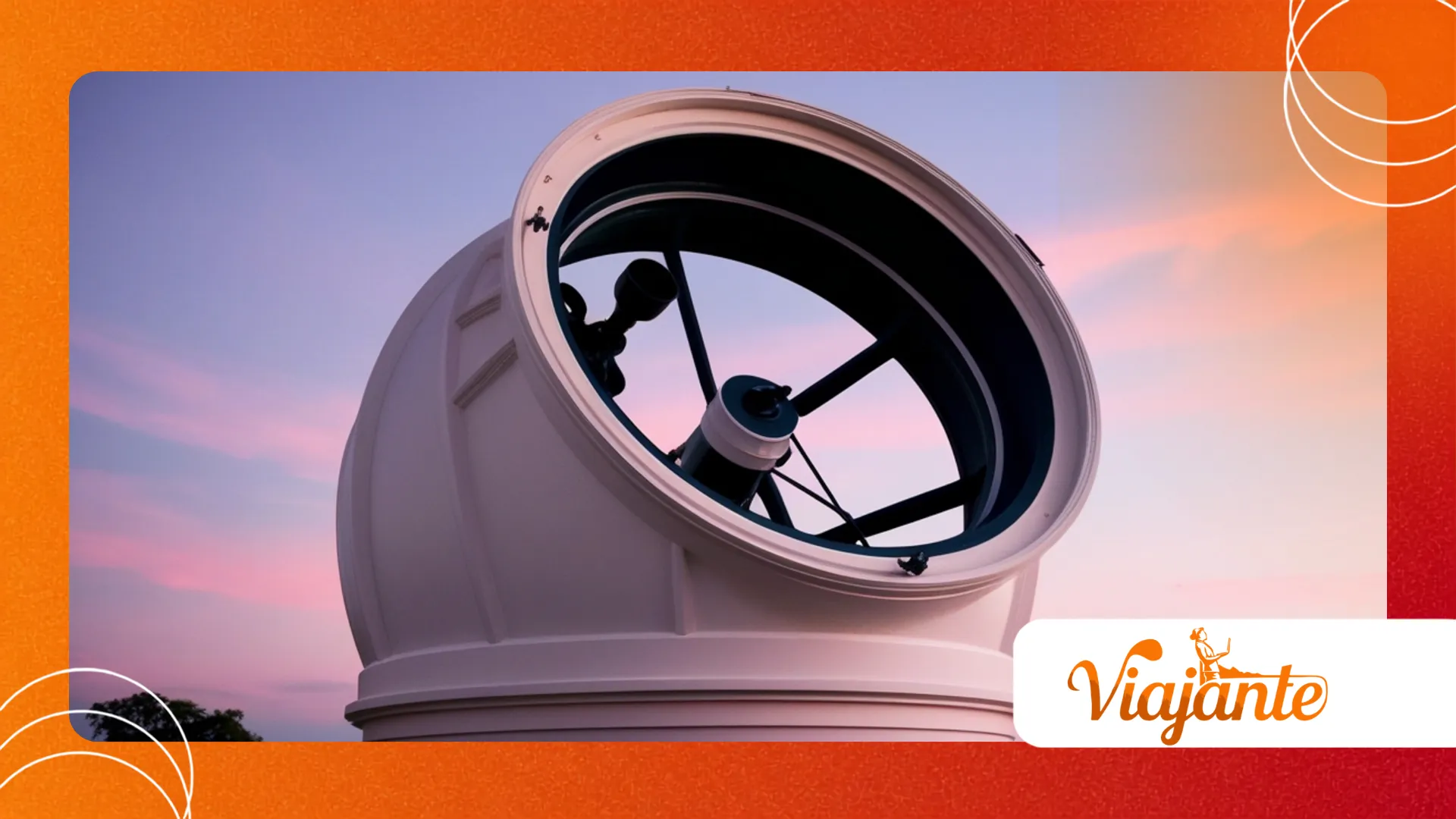
تقوم المسوحات السماوية واسعة المجال بمسح مناطق سماوية شاسعة تلقائيًا كل ليلة لرصد حركات مصادر الضوء السريعة. وتعمل برامج الترشيح المتقدمة على عزل الأهداف السريعة عن نجوم الخلفية الثابتة والمجرات البعيدة بدقة فائقة.
بمجرد أن ترصد الأنظمة الآلية جسماً مرشحاً، تتجه التلسكوبات الأرضية الكبيرة فوراً لالتقاط صور عالية الدقة. وتضمن بروتوكولات الاستجابة السريعة أن تلتقط المراصد تغيرات السطوع قبل حدوث انفجارات متقلبة غير متوقعة.
توفر المراصد الفضائية إمكانيات رصد واضحة دون تشوه جوي أو اضطرابات جوية تعيق جمع البيانات. وتلتقط التلسكوبات المدارية ترددات الأشعة فوق البنفسجية والأشعة تحت الحمراء التي يحجبها الغلاف الجوي للأرض عادةً بشكل كامل.
تتعاون المراصد الفلكية الاحترافية بشكل وثيق مع شبكات الفلك الهواة العالمية لتتبع مواقع الأهداف ليلاً ونهاراً. وتضمن جهود الرصد الموزعة استمرار جمع البيانات حتى في حال تعرض المرافق الرئيسية لظروف جوية محلية سيئة.
تقوم محطات الرادار بعكس إشارات راديوية قوية عن الأهداف السماوية القريبة لرسم خرائط دقيقة لأحجامها وأشكالها. وتكشف إشارات الرادار المرتدة عن تفاصيل دقيقة تتعلق بخشونة السطح، وفترات الدوران، والسلامة الهيكلية العامة.
ماذا يكشف هذا الاكتشاف عن تكوين النظام الكوكبي؟
تتنبأ نماذج تطور الكواكب بأن الكواكب العملاقة تقذف تريليونات من الأجسام الجليدية خلال المراحل المبكرة لتكوين النظام الشمسي. وتُقدّم الأجسام المتجولة بين النجوم دليلاً مادياً يؤكد حدوث هذه التفاعلات الجاذبية الديناميكية بشكل روتيني حول النجوم الخارجية.
يكشف تحليل الكثافة الهيكلية عن الظروف الفيزيائية الموجودة داخل أقراص التراكم الكوكبية الأولية للنجوم الأم البعيدة. تشير النوى الكثيفة إلى بيئات تصادمية عنيفة، بينما تشير الهياكل الهشة إلى تراكم لطيف في السدم الشمسية الهادئة.
تُظهر دراسة بقاء المواد الكيميائية المتقلبة خلال رحلات كونية طويلة أن الجزيئات العضوية تصمد أمام إشعاع الفضاء السحيق لمليارات السنين. ويدعم هذا الصمود الكيميائي النظريات القائلة بأن لبنات بناء الحياة تنتشر عبر الفضاء المجري من خلال عمليات كونية طبيعية.
يُمكّن تقدير الكثافة المكانية للمذنبات الشاردة علماء الفلك من حساب إجمالي الكتلة المقذوفة أثناء تكوين الأنظمة النجمية. وتشير النماذج المُحدّثة إلى أن مليارات الأجسام المظلمة العابرة للفضاء بين النجوم تجوب الفضاء المجري بين النجوم بهدوء.
المراقبة أطلس المذنب بين النجوم 3I يساعد هذا الباحثين على معايرة النماذج التنبؤية لمشاريع المسح الفلكي المستقبلية. وستكتشف التلسكوبات ذات الحساسية العالية قريباً عشرات الزوار من خارج المجموعة الشمسية الذين يعبرون نظامنا الشمسي سنوياً.
++ العلم وراء حبنا لنظريات المؤامرة
متى ستتمكن مهمات الفضاء المستقبلية من اعتراض زوار من خارج المجموعة الشمسية؟
تعمل وكالات الفضاء على تصميم مهمات اعتراض سريعة الاستجابة قادرة على ملاحقة المركبات الفضائية القادمة من خارج المجموعة الشمسية عبر الفضاء. وستتيح هذه المواجهات المباشرة للمركبات الفضائية إمكانية تصوير التراكيب السطحية وجمع عينات نقية من الغبار الكيميائي مباشرةً.
ستنتظر المركبات الفضائية المتوقفة في نقاط جاذبية مستقرة شبكات المسح الآلية لرصد الأهداف القادمة. وبمجرد أن تؤكد حسابات المسار وجود فرصة اعتراض، ستطلق المجسات المخزنة محركات الدفع لمطابقة مسارات المذنبات.
تُبشّر مهمات إعادة العينات المباشرة بإحداث نقلة نوعية في علم الكواكب المقارن، وذلك من خلال جلب مواد من عوالم أخرى إلى مختبرات الأرض. وسيُسهم تحليل الصخور والجليد من خارج المجموعة الشمسية بشكل مباشر في الإجابة على أسئلة جوهرية تتعلق بعمليات تكوين الكواكب على مستوى المجرة.
تتوفر التحديثات المستمرة المتعلقة بمفاهيم استكشاف الفضاء السحيق مباشرة على الموقع الرسمي استكشاف النظام الشمسي من قبل وكالة ناسا
منفذ.
الأسئلة الشائعة
ما الذي يجعل جسماً فضائياً بين النجوم؟
يُعتبر الجسم بين النجوم عندما ينشأ خارج نظامنا الشمسي، ويسافر على طول مسار زائد غير مقيد بدرجة انحراف مركزي أعلى من 1.0.
كيف تم اكتشاف المذنب بين النجوم 3I أطلس؟
رصدت التلسكوبات الآلية لمسح السماء المذنب من خلال التقاط صور رقمية متسلسلة كشفت عن حركة سريعة مقابل الحقول النجمية الخلفية أثناء عمليات المسح الليلي الروتينية للسماء.
هل سيعود المذنب بين النجوم 3I أطلس إلى نظامنا الشمسي؟
لا، مساره الزائدي يضمن خروج الجسم من نظامنا الشمسي بشكل دائم بعد مروره بالشمس، وعودته إلى الفضاء السحيق بين النجوم البعيدة إلى الأبد.
هل يستطيع علماء الفلك الهواة رؤية المذنبات بين النجوم؟
تبقى معظم المذنبات الخارجية خافتة، مما يتطلب تلسكوبات تجارية كبيرة للهواة، وكاميرات فلكية رقمية متخصصة، وإحداثيات مدارية دقيقة لاكتشافها بصريًا في سماء الليل المظلمة.
كيف يتعرف العلماء على المركبات الكيميائية في المذنبات؟
يستخدم العلماء أجهزة التحليل الطيفي لتحليل الضوء المنعكس، وتحديد العناصر الكيميائية المحددة بناءً على أنماط امتصاص أطوال موجات الضوء الفريدة المنبعثة من الغازات المتبخرة.
الاعتبارات النهائية
دراسة أطلس المذنب بين النجوم 3I يُقدّم هذا البحث رؤى قيّمة حول الأنظمة الكوكبية البعيدة دون الحاجة إلى رحلات فضائية بين النجوم باهظة التكاليف. وتؤكد حسابات المدارات الزائدية أصله الفضائي العميق، مما يتيح للباحثين الوصول المباشر إلى الكيمياء خارج المجموعة الشمسية.
تُبشّر التحسينات المستمرة في تكنولوجيا التلسكوبات الآلية باكتشافات متكررة في الفضاء الداخلي للكواكب. ويُساهم كل زائر عابر في توسيع فهمنا لانتقال المواد ومكونات بناء الكواكب في مجرتنا.
\