
لماذا لا يزال إنفلونزا الخيول يهدد أعداد الخيول في جميع أنحاء العالم
Equine influenza remains one of the most persistent respiratory threats in the equestrian world.
إعلانات
Moving high-value animals across borders creates a constant flow of transmission, turning routine international transport into an unwitting biological vector between naive herds.
Veterinarians frequently observe how rapid antigenic drift alters key surface proteins, allowing newer strains to bypass pre-existing immunity almost unnoticed.
Herd managers cannot afford complacency; biosecurity protocols demand continuous evaluation to protect competitive facilities from sudden, costly outbreaks.
This guide explores viral transmission dynamics, clinical diagnostics, vaccine limitations, biosecurity controls, and global containment strategies.
Readers will gain actionable insight into managing risk and halting transmission across modern equine facilities.
What Is Equine Influenza and How Does It Spread?
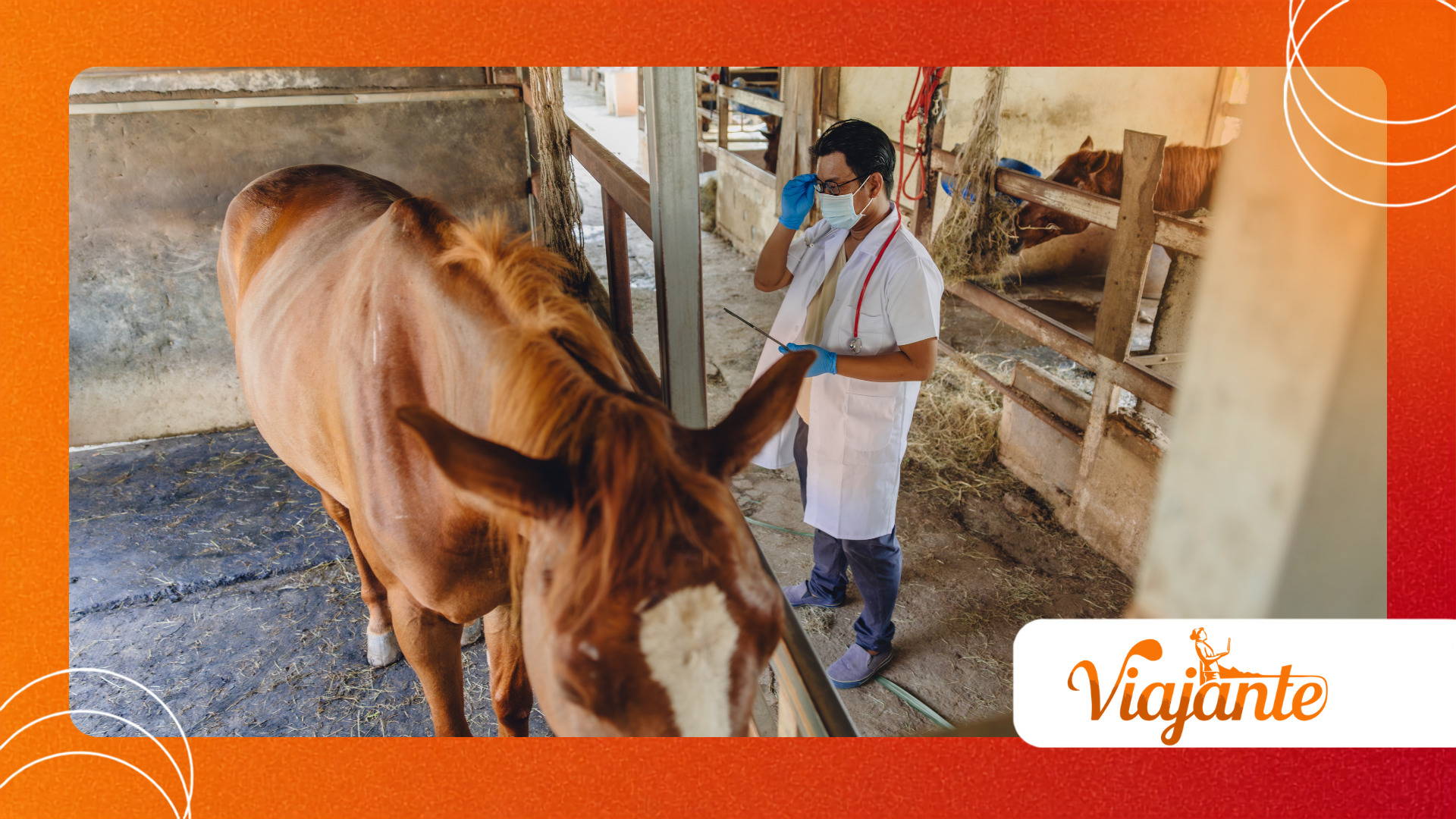
Equine influenza virus (EIV) belongs to the Orthomyxoviridae family, primarily driven by two H3N8 lineages: the American and Eurasian strains.
The pathogen spreads through aerosolized droplets, traveling easily whenever an infected horse coughs during transport or stabling.
Stalls with poor airflow create ideal conditions for rapid transmission, keeping infectious viral particles suspended in ambient air for hours.
Equipment, buckets, and shared grooming gear frequently act as passive vectors between separate barn aisles.
Subclinical carriers pose a distinct hazard, introducing the virus into healthy populations during shows, breeding assemblies, and sales events.
Strict isolation of incoming stock remains the single most effective barrier against farm-wide exposure.
++ لماذا تحتاج الأفيال الآسيوية إلى حماية جديدة ضد فيروس الهربس الفيل الآسيوي القاتل الآن؟
Why Does Equine Influenza Remain a Persistent Global Threat?
Tracking genetic shifts across Florida clade 1 and clade 2 lineages complicates international standardization.
Continuous global movement of elite performance horses creates open pathways for viral dissemination across geographically isolated herds. When a novel strain hits an unprotected barn, morbidity rates often surge toward ninety percent within days.
Financial fallout accumulates quickly through cancelled competitions, mandatory quarantine periods, and intensive supportive care.
Controlling endemic strain variation requires uninterrupted epidemiological surveillance by international reference laboratories worldwide.
++ كيف يمكن أن تختبئ قرحة المعدة لدى الخيول وراء علامات صحية خفية؟
How Do Clinical Symptoms and Diagnostic Tests Confirm Infection?
Secondary bacterial invaders often follow, turning clear discharge purulent and prolonging respiratory recovery.
Veterinarians confirm active viral shedding using reverse transcription-polymerase chain reaction (RT-PCR) testing on deep nasal swabs.
Sampling during the initial febrile phase yields the highest diagnostic accuracy for farm managers.
Serological testing via hemagglutination inhibition assays helps track antibody titers across vaccinated populations over longer windows.
Rapid field identification allows facility managers to isolate affected animals before viral exposure spreads throughout the facility.
| Diagnostic Method | Target Sample | Detection Window | حالة الاستخدام الأساسية |
| RT-PCR Assay | Deep Nasal Swab | Days 1 to 5 of fever | Early acute phase confirmation |
| Virus Isolation | Nasopharyngeal Swab | Days 1 to 3 of illness | Reference laboratory strain tracking |
| ELISA Antigen Test | Nasal Secretions | Days 1 to 4 post-infection | Quick stall-side screening |
| Hemagglutination Inhibition | Paired Serum Samples | 14 to 21 days apart | Retrospective antibody verification |
Which Vaccination Strategies Provide the Strongest Protection?
Modern immunization strategies against equine influenza rely on inactivated whole-virus, modified-live, or recombinant canarypox vector vaccines to trigger broad immune responses.
Guidance from the World Organisation for Animal Health (WOAH Biological Standards) emphasizes updating formulations to match active circulating lineages.
Booster schedules must align with competition calendars to ensure protective antibody levels remain high during periods of frequent travel.
Young horses require a complete primary series to build resilient immunity before entering crowded training centers.
While vaccination reduces clinical severity and shortens viral shedding, it does not offer absolute sterilizing immunity against shifting strains.
High vaccination coverage across local populations remains essential for maintaining strong herd immunity.
What Are the Best Biosecurity Practices for Facilities?

Barn managers mitigating equine influenza risks should establish clear isolation zones for new arrivals, keeping animals separated for a full twenty-one days.
Designated personnel ought to handle quarantined stock last each day, using dedicated clothing and separate tools.
Disinfectants based on potassium peroxymonosulfate, quaternary ammonium, or diluted sodium hypochlorite effectively neutralize viral particles on hard surfaces.
Thoroughly cleaning stalls prior to application ensures organic matter does not compromise chemical efficacy.
Limiting vehicle access, enforcing strict hand hygiene, and eliminating shared water troughs significantly reduce mechanical transmission pathways.
Disciplined biosecurity protects equine operations from severe operational and financial disruptions.
How Containment Protocols Safeguard Equine Facilities
Immediate isolation procedures are critical whenever a horse displays sudden fever, harsh coughing, or clear nasal discharge in a shared barn environment.
Moving affected animals into a dedicated quarantine area stops infectious aerosol droplets from spreading through shared airspace and reaching healthy stock in adjacent stalls.
Daily temperature monitoring allows caretakers to identify early febrile spikes before severe clinical symptoms fully develop.
Keeping structured health logs helps barn managers spot subtle changes early, making it easier to separate exposed animals before widespread exposure occurs across the facility.
Quarantine structures should maintain a physical distance of at least fifty yards from main housing units to minimize airborne transmission risks.
Designated personnel ought to care for isolated animals last each day, using separate clothing, boots, and tools to prevent carrying infectious pathogens back to healthy herds.
++ لماذا تُجرى دراسات اليوم على خيول الكريولو فيما يتعلق بقرحة المعدة
When Should Horse Owners Implement Quarantine Protocols?
Immediate quarantine is critical whenever a horse displays fever, persistent coughing, or nasal discharge suggestive of equine influenza in a shared facility.
Rapid physical separation stops aerosolized droplets from reaching adjacent stalls and spreading further down the aisle.
Daily temperature logs allow caretakers to detect early febrile spikes before obvious respiratory symptoms appear. Quarantine zones should maintain a physical distance of at least fifty yards from main housing units.
Monitoring exposed barnmates for ten days helps contain secondary infections within the facility perimeter.
Detailed quarantine tracking during active outbreaks helps inform regional veterinary networks, as outlined by the الجمعية الأمريكية للأطباء البيطريين المختصين بالخيول.
خاتمة
إدارة equine influenza requires constant vigilance due to viral mutation, frequent animal transport, and shifting herd immunity levels.
Combining targeted vaccination programs with rigorous biosecurity controls provides the most dependable protection against farm outbreaks.
Early detection and decisive isolation protect individual horse welfare while safeguarding the broader equestrian community.
الأسئلة الشائعة
Can humans catch equine influenza from infected horses?
Extremely rarely; equine influenza viruses are adapted specifically to equine hosts, posing negligible transmission risk to human handlers under normal conditions.
How long must a horse rest after recovering from flu?
Horses recovering from equine influenza generally require one week of complete rest for every day of fever, allowing respiratory mucosal linings time to repair fully.
Does vaccination completely prevent a horse from getting sick?
No, equine influenza vaccines primarily reduce symptom severity and shorten viral shedding, though mutated strains can still cause mild illness in vaccinated animals.
\