
Hedgehogs Rolling Into Spiny Balls: Survival Mechanics
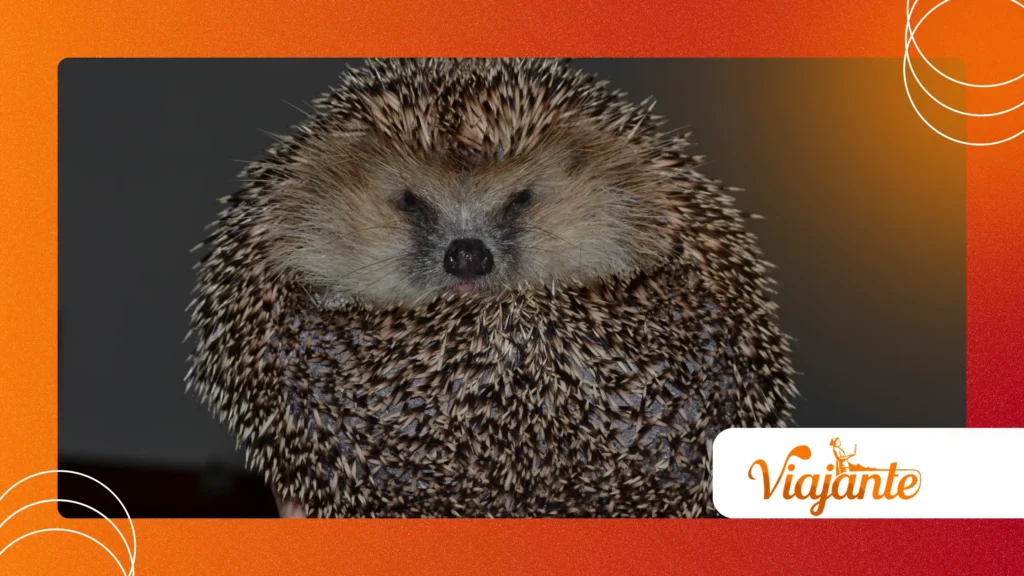
The natural world offers incredible lessons in biological engineering and defensive strategies. Understanding how small mammals protect themselves provides fascinating insights into evolution and physical adaptation.
Advertisements
This article explores the anatomical precision of Hedgehogs Rolling Into Spiny Balls, analyzing the muscular systems and keratin structures involved. We will examine the physiological triggers and energy costs.
Our guide covers the orbicularis muscle, the role of quills in shock absorption, and practical observations for wildlife enthusiasts. Discover the mechanics behind one of nature's most effective shields.
Inside This Article
- The Mechanism: How the orbicularis Muscle works.
- Sensory Triggers: What makes a hedgehog roll up.
- Evolutionary Edge: Why does a shield beat running?
- Environmental Factors: How heat and age affect speed.
- Alternative Uses: Falling and social behavior.
- Conservation 2026: Protecting the species today.
- FAQ: Quick answers to common questions.
What is the Mechanism Behind Hedgehogs Rolling Into Spiny Balls?
The primary driver of this defensive posture is a specialized muscle called the orbicularis dorsi. This powerful circular muscle acts much like a drawstring bag around the animal's body.
When a hedgehog senses a potential threat, this muscle contracts rapidly. It pulls the skin and the dense layer of quills down over the head, limbs, and soft underbelly.
This process of Hedgehogs Rolling Into Spiny Balls creates a seamless sphere of protection. Because the muscle is so strong, it is nearly impossible for predators to force the ball open.
The quills themselves are modified hairs made of complex keratin. They are hollow and reinforced by internal chambers, which prevents them from snapping or splintering under heavy external pressure.
Interestingly, each quill has a narrow neck at the base. This design allows the spine to bend upon impact, acting as a shock absorber during falls or attacks.
+ Birds That 'Sow' the Forests: Role in Seed Dispersal
How Does the Nervous System Trigger Defensive Rolling?
Hedgehogs rely on highly sensitive tactile and auditory nerves to initiate their defense. Even a slight vibration in the soil can trigger a partial “tucking” of the forehead.
Once the brain confirms a nearby predator, the sympathetic nervous system takes over. This “fight or flight” response is shifted almost entirely toward a unique “hide” strategy.
When we observe Hedgehogs Rolling Into Spiny Balls, we see a total physiological commitment. The animal's heart rate stabilizes as it enters a state of high-alert muscular tension.
Maintaining this ball shape requires significant muscular endurance. However, the hedgehog's anatomy is optimized to hold this position for extended periods without experiencing rapid muscle fatigue.
+ Seahorses: Male Pregnancy and Parental Care
Why is the Spiny Ball Strategy More Effective Than Flight?
Many small mammals choose to run, but the hedgehog's short legs make it a slow traveler. Evolution favored a static defense over a high-speed escape route.
The density of the quills—roughly 5,000 to 7,000 per adult—ensures that no gaps remain visible. This creates a painful barrier for foxes, badgers, or domestic dogs.
The efficiency of Hedgehogs Rolling Into Spiny Balls allows the animal to protect its most vulnerable organs. The eyes, throat, and abdomen are tucked safely inside the center.
| Feature | Biological Detail | Survival Advantage |
| Quill Count | 5,000 to 7,000 spines | Full body coverage |
| Material | Alpha-keratin | Lightweight yet durable |
| Muscle | Orbicularis dorsi | Secure, locked closure |
| Structure | Hollow chambers | Impact resistance |
Which Environmental Factors Affect the Rolling Speed?
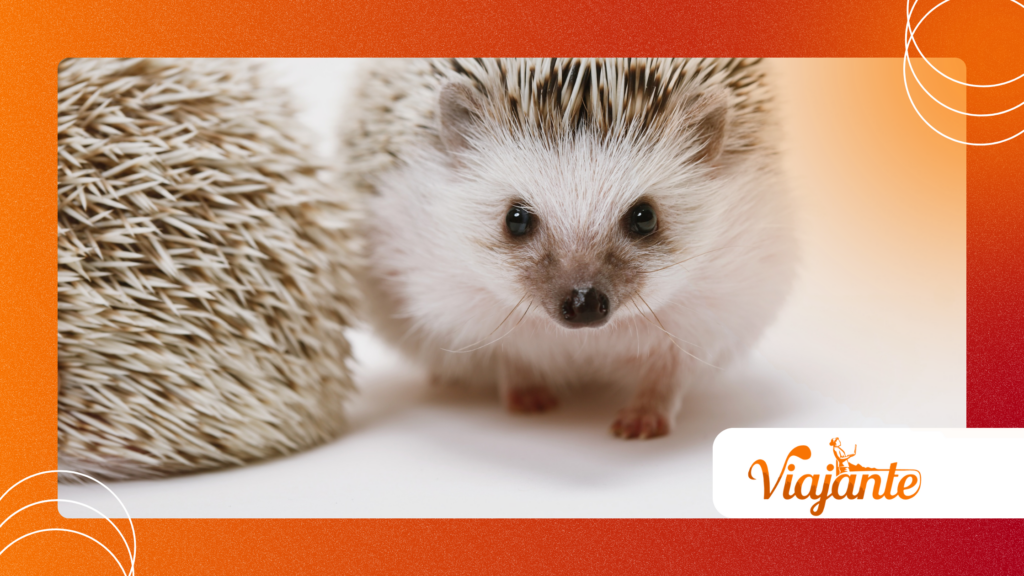
Temperature plays a crucial role in the hedgehog's physical responsiveness. In hibernation, their metabolic rate drops, making the rolling process much slower and less effective.
During the active summer months, a healthy hedgehog can transform into a ball in less than a second. This speed is vital for surviving sudden owl strikes.
The frequency of Hedgehogs Rolling Into Spiny Balls may decrease in urban environments. Some individuals become habituated to human noise, although they remain naturally cautious and alert.
Hydration also impacts muscle elasticity and quill health. Dehydrated hedgehogs may struggle to maintain a tight seal, leaving them slightly more exposed to persistent woodland predators.
Age is another significant factor in defensive performance. Juvenile “hoglets” often practice rolling, but their muscles and quills take several weeks to reach full protective strength.
When Do Hedgehogs Use This Defense Outside of Predators?
While primarily a defensive move, hedgehogs might roll when falling from heights. The quills act as a cushion, distributing the force of impact across the entire skin surface.
You might see Hedgehogs Rolling Into Spiny Balls during aggressive encounters with other hedgehogs. This usually occurs during the mating season when males compete for local territory.
Sometimes, a hedgehog will roll partially if it is started by a bright light or a sudden, loud noise. This “half-ball” allows them to keep an eye out.
If you find a hedgehog rolled up in your garden, it is best to leave it alone. Forcing a hedgehog to unroll can cause severe stress and potential muscle tearing.
Understanding these behaviors helps us coexist with these nocturnal neighbors. By respecting their natural defense mechanisms, we ensure their populations remain healthy and resilient in changing landscapes.
+ Turtles That Remember Faces: Surprising Animal Memory
Modern Conservation and the Future of the Species
In 2026, habitat fragmentation remains the greatest threat to these spiny architects. Roads and fences prevent them from finding enough food to sustain their high-energy lifestyles.
Advanced monitoring shows that Hedgehogs Rolling Into Spiny Balls is a behavior that saved the species for millions of years. However, it cannot protect them from modern vehicles.
Conservationists now encourage the creation of “hedgehog highways” in suburban neighborhoods. Small holes in fences allow them to roam freely without crossing dangerous, high-traffic main roads.
By studying the mechanics of their quills, scientists are developing new types of protective gear for humans. The hedgehog's natural armor continues to inspire modern bio-mechanical engineering.
Supporting organizations like the British Hedgehog Preservation Society helps fund research into these survival tactics. Their data is vital for creating effective wildlife protection policies.
Conclusion
The hedgehog is a masterpiece of evolutionary survival. From the specialized orbicularis muscle to the shock-absorbing keratin quills, every part of its anatomy serves a specific protective purpose.
The act of Hedgehogs Rolling Into Spiny Balls is not just a reflection; it is a sophisticated mechanical shield. It represents millions of years of adaptation against the world's predators.
As we move through 2026, protecting these creatures means understanding their biology. When we value their unique mechanics, we become better stewards of the diverse animal kingdom around us.
Frequently Asked Questions
Can a hedgehog stay rolled up forever?
No, they eventually need to breathe, eat, and regulate their temperature. Holding the muscle tension requires energy, so they only roll when they perceive an active threat.
Do the quills hurt the hedgehog when they roll?
The quills are embedded in a thick layer of skin and fat. The rolling motion is a natural anatomical function and does not cause the animal any physical pain.
What should I do if I find a hedgehog in a ball?
The best action is to keep your distance and keep pets away. The hedgehog will eventually unroll and continue its journey once it feels the environment is safe again.
Can predators get past the spiny ball defense?
While very effective, some specialized predators like badgers have the strength and claws to unroll a hedgehog. However, for most animals, the spines are a sufficient deterrent.
\