
Seahorses: Male Pregnancy and Parental Care
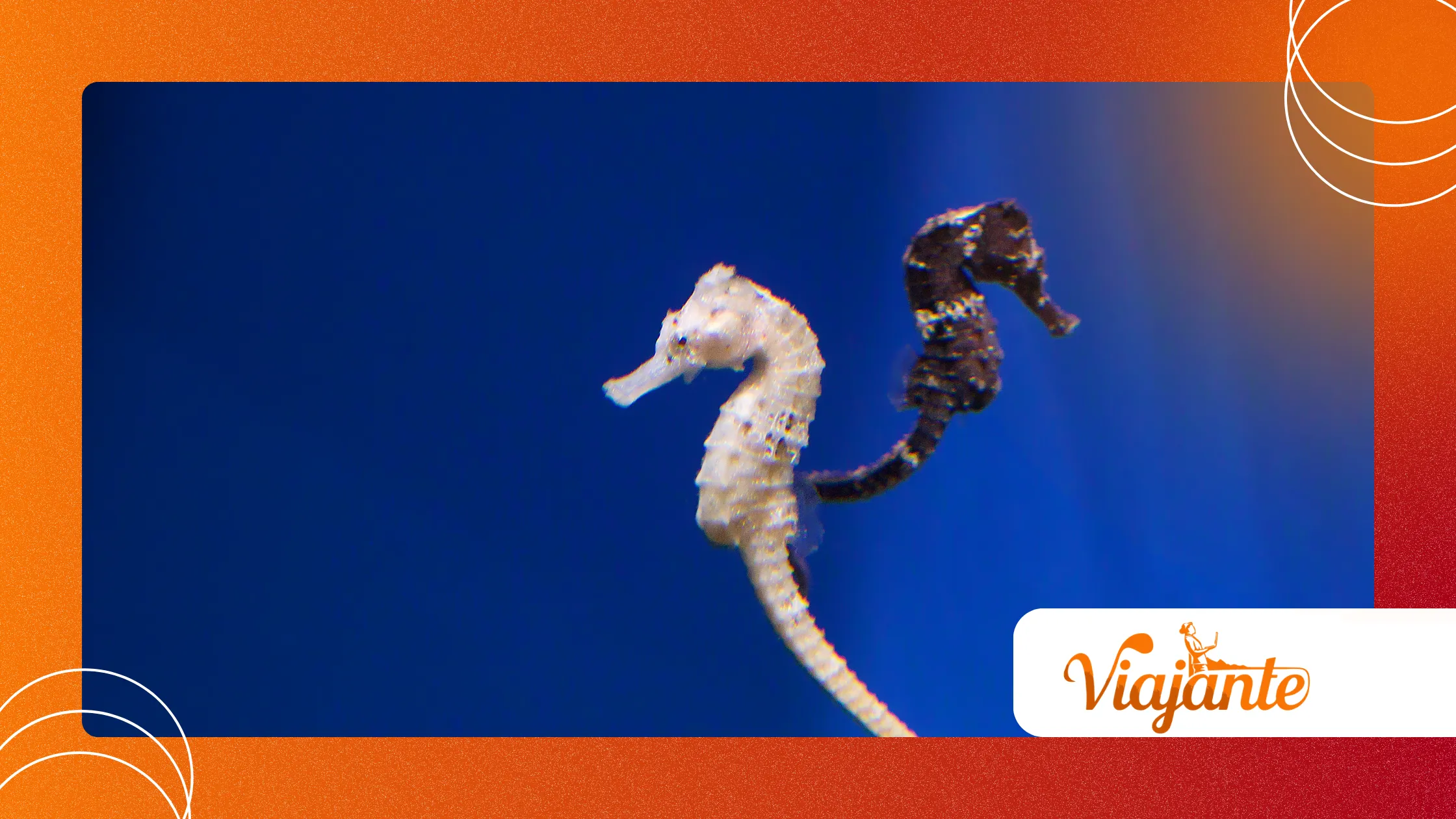
The natural world frequently challenges our traditional definitions of biological roles, offering fascinating parallels to our modern, evolving professional structures and domestic responsibilities found in the digital age.
Advertisements
This article explores the unique reproductive biology of seahorses, examining how male pregnancy works, the evolutionary benefits of this system, and what these creatures teach us about commitment.
Below, you will find a detailed breakdown of their mating rituals, a comparison of syngnathid parental investment, and answers to common questions regarding these enigmatic marine fish and their survival.
What is the Biological Mechanism Behind Seahorse Male Pregnancy?
The reproductive process begins when a female deposits her eggs into a specialized “brood pouch” located on the male's abdomen, initiating a complex physiological transformation for the father.
Once the eggs are safely inside, the male fertilizes them internally, and his pouch functions much like a mammalian uterus, providing oxygen and essential nutrients through a capillary-rich network.
Interestingly, seahorses regulate the chemistry of the pouch fluid, gradually changing it from internal body salinity to external seawater levels to prepare the developing fry for their eventual birth.
This hormonal regulation involves prolactin, the same hormone responsible for milk production in mammals, proving that nature often uses similar chemical pathways across vastly different species to ensure offspring survival.
During the gestation period, which lasts between two to four weeks depending on the species and water temperature, the male's body undergoes significant swelling as the embryos grow rapidly.
How Does Parental Care Impact the Survival of the Species?
By taking on the burden of pregnancy, the male allows the female to focus her metabolic energy entirely on producing the next batch of nutrient-rich eggs almost immediately.
This specialized division of labor increases the overall reproductive output of the pair, as they can begin a new cycle shortly after the male gives birth to his brood.
Furthermore, the protective environment of the brood pouch shields the vulnerable embryos from predators and environmental fluctuations that would otherwise claim many more lives in the open ocean.
While the father provides intense care during development, once the tiny “fry” is expelled into the water column, they are immediately independent and receive no further protection from parents.
++ Birds That 'Sow' the Forests: Role in Seed Dispersal
Why Did Seahorses Evolve This Specific Reproductive Strategy?
Evolutionary biologists suggest that male pregnancy evolved to maximize the number of offspring a pair can produce during the relatively short and dangerous tropical breeding seasons in the wild.
By shortening the interval between matings, these fish ensure that their genetic lineage continues even if one partner falls victim to the many predators found within their habitat.
Genetic studies show that the “pouch” is a highly derived feature, evolving from simple belly-gluing of eggs seen in pipefish to the fully enclosed, complex organ found in modern specimens.
The energetic cost to the male is substantial, requiring him to consume more prey to maintain his own health while supporting hundreds of developing lives within his small body.
This commitment to the next generation reflects a “high-stakes” biological investment, where the survival of the species rests on the father's ability to successfully gestate the young.
++ The World's Largest Birds: From Ostrich to Penguin
Comparative Data: Syngnathid Parental Investment
| Species Type | Pouch Structure | Average Brood Size | Gestation Period |
| Common Seahorse | Fully Enclosed | 200 – 1,000 | 14 – 28 Days |
| Pygmy Seahorse | Fully Enclosed | 5 – 20 | 11-15 Days |
| Pipefish | Open/Partial Groove | 30 – 150 | 10-20 Days |
| Weedy Seadragon | External (Tail Patch) | 120 – 300 | 30 – 60 Days |
Which Environmental Factors Threaten Their Natural Breeding Cycles?
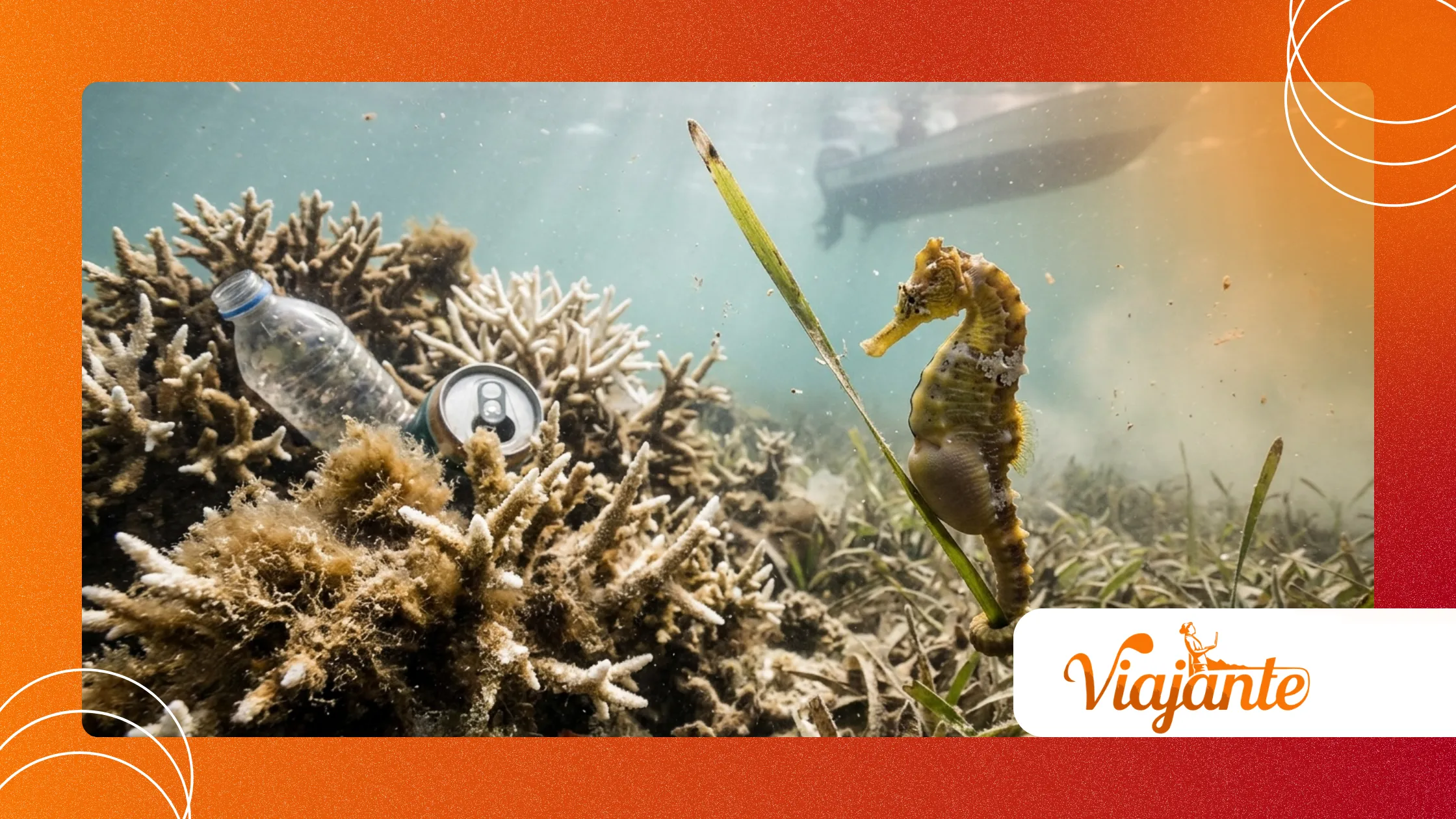
Pollution and the destruction of coastal habitats like mangroves and seagrass beds directly impact the ability of seahorses to find stable territory for their complex multi-day mating dances.
Rising ocean temperatures due to climate change also disrupt the delicate timing of the “prolactin surge” in illnesses, potentially leading to premature births or unsuccessful development of the fry.
Overfishing, specifically through bottom trawling, removes the essential vertical structures these fish use to anchor themselves, leading to physical exhaustion and increased mortality rates among pregnant males.
The international trade for traditional medicine and the aquarium industry continues to put pressure on wild populations, making sustainable conservation efforts more vital than ever for their future.
Protecting these habitats is not just about saving a single species, but about preserving the intricate balance of marine biodiversity that supports coastal economies and global health.
++ Turtles That Remember Faces: Surprising Animal Memory
When Do Seahorses Typically Choose Their Partners?
Most species are seasonally monogamous, forming pair bonds that last through a single breeding season, although some remain together for several consecutive years if the habitat remains stable.
Every morning, the pair engages in a rhythmic “greeting dance” to reinforce their bond and synchronize their reproductive cycles, ensuring the female is ready when the male gives birth.
This ritual involves changing colors and twirling around a shared anchor point, a display of coordination that is as much about biological timing as it is about social connection.
If a partner is lost, the remaining fish may wait a significant amount of time before seeking a new mate, which can slow down the recovery of local populations.
Their social structure highlights the importance of consistency and communication, traits that ensure the demanding process of male pregnancy results in the highest possible number of survivors.
What Are the Most Common Myths About Seahorse Behavior?
Many people mistakenly believe that the female “disappears” after laying eggs, but in reality, she visits the pregnant male daily to maintain the social bond and monitor progress.
Another common misconception is that all seahorses are strictly monogamous for life, whereas genetic testing has shown some species may swap partners between different breeding seasons.
It is also a myth that they are poor swimmers; while they aren't built for speed, their dorsal fins allow for incredible maneuverability in dense, cluttered underwater environments.
Understanding the reality of their lives helps us appreciate the complexity of marine biology without falling for the “Disney-fied” versions often presented in popular media or outdated books.
By looking at the hard data, we see a resilient, highly specialized fish that has adapted to some of the most competitive environments on the planet through unique cooperation.
Conclusion
The study of seahorses offers a profound look at how biological innovation can redefine the traditional roles of caregiving and survival in the animal kingdom's diverse landscape.
Their unique method of male pregnancy remains one of the most fascinating examples of evolutionary adaptation, ensuring species' resilience through intense paternal investment and highly coordinated pair bonding.
As we move further into 2026, protecting the fragile ecosystems these creatures inhabit is essential for maintaining the biological “R&D” that nature has perfected over millions of years.
For more information on marine conservation and how you can support ocean health, visit National Geographic's Ocean Portal, a leader in environmental education.
Would you like me to create a detailed guide on how to identify different seahorse species in the wild?
FAQ (Frequently Asked Questions)
1. Do male seahorses actually give birth?
Yes, the male undergoes a process of muscular contractions to expel the fully developed fry from his brood pouch into the surrounding water once the gestation period ends.
2. How many babies can a seahorse have at once?
Depending on the species, a single brood can range from a few as 5 to over 2,000 fry, although the average for most common species is around 200.
3. Do the parents stay with the babies after birth?
No, the fry are completely independent from the moment they are born and must find food and cover immediately to avoid being eaten by smaller predators.
4. Why are seahorses considered fish?
They are classified as actinopterygian fish because they have gills, a swim bladder, and fins, even though their unique shape and lack of scales make them look different.
5. Can seahorses live in freshwater?
The vast majority of species are strictly marine or estuarine, meaning they require saltwater or brackish water to survive and cannot live in typical freshwater environments.
\